
Which Preschool Dance Activities Keep Young Dancers Engaged?
Preschool dance activities play a vital role in introducing young children to movement, rhythm, and structured learning in a way that feels joyful and achievable. At the preschool age, dancers are developing foundational motor skills, social awareness, and listening abilities, all while discovering how to express themselves creatively. The most effective preschool dance activities are those that balance fun with purpose, helping instructors maintain engagement while supporting early childhood development. When thoughtfully planned, these activities can transform a class into a dynamic environment where children learn coordination, creativity, and confidence through movement.
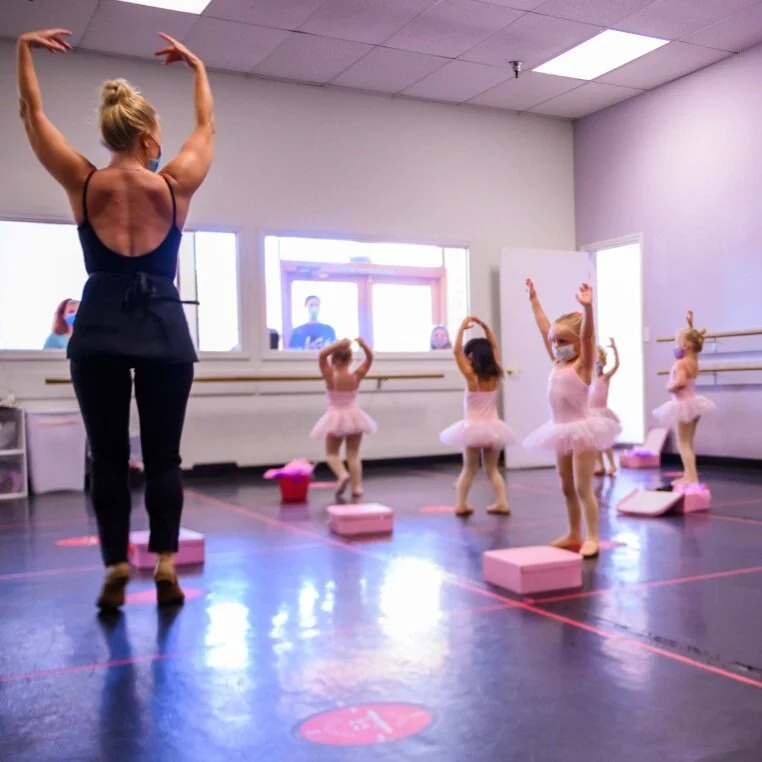
Designing classes for preschool-aged dancers requires an understanding of how young children learn best. Short attention spans, high energy levels, and varying developmental stages mean instructors must be intentional about activity choice and pacing.
Preschool Dance Activities That Build Coordination
Coordination is one of the most important physical skills developed in early dance education. Preschool dance activities that focus on coordination help children learn how their bodies move in space, how to balance, and how to transition smoothly between movements. These skills support not only dance training but also overall physical development.
Simple movement patterns are especially effective for this age group. Activities that involve walking, marching, hopping, and skipping to music help children practice timing and control. Repetition is key, as preschoolers benefit from doing the same movements multiple times to build muscle memory and confidence.
Effective coordination-building activities include:
Follow-the-leader exercises that encourage children to copy simple steps.
Traveling movements such as tiptoeing, galloping, or sliding across the floor.
Balance challenges like standing on one foot or holding a pose for a count of four.
Directional games that introduce concepts like forward, backward, and sideways.
Instructors should keep instructions brief and demonstrate movements visually. Preschoolers respond best when they can see the movement rather than relying solely on verbal cues. Using imagery, such as pretending to walk like a tall giraffe or hop like a bunny, helps children understand how their bodies should move while keeping them engaged.
Preschool Dance Activities That Improve Listening Skills
Listening skills are essential in preschool dance classes, as they help children follow directions, stay safe, and participate as a group. Preschool dance activities that focus on listening can be woven seamlessly into movement exercises without feeling like formal instruction.
Call-and-response activities are particularly effective. When instructors use clear cues such as freeze, go, or stop, children learn to associate specific words with actions. Musical games that require dancers to listen for changes in tempo or volume also reinforce auditory awareness.
Examples of listening-focused activities include:
Freeze dance, where children move freely and stop when the music pauses.
Rhythm clapping or stomping to match the beat of the music.
Movement prompts based on verbal cues, such as jump when you hear a bell.
Simple choreography sequences that repeat patterns after verbal instruction.
By consistently reinforcing listening through movement, instructors help preschoolers develop focus and self-regulation. These skills transfer beyond the dance studio, supporting classroom readiness and social development.
How to Use Creative Preschool Dance Activities in Class
Creativity is at the heart of preschool dance education. Young dancers thrive when given opportunities to imagine, explore, and make choices through movement. Creative preschool dance activities allow children to express themselves while still learning structure and discipline.
Story-based movement is one of the most engaging ways to encourage creativity. By framing a class around a simple narrative, instructors can guide dancers through a series of movements that feel purposeful and exciting. For example, a class might travel through a jungle, exploring different animals and environments through dance.
Creative activities that work well in preschool classes include:
Imaginative prompts such as moving like the wind, growing like a flower, or floating like a cloud.
Exploration of levels by moving high, medium, and low.
Free dance sections where children choose how to move within a defined theme.
Partner or group activities that encourage cooperation and shared creativity.
Structure remains important, even in creative exercises. Clear boundaries and expectations help children feel secure and focused. Instructors should guide creativity with specific prompts rather than open-ended questions, which can overwhelm young dancers.
Music and Props That Boost Engagement
Music and props are powerful tools for keeping preschoolers engaged and motivated. The right selections can transform a routine activity into an exciting experience that captures attention and supports learning objectives.
Music should be age-appropriate, upbeat, and rhythmically clear. Songs with consistent tempos help children anticipate movement changes and stay on beat. Familiar tunes can also increase comfort and participation, especially for new dancers.
Props add a tactile element that enhances engagement and encourages imagination. When used thoughtfully, they can support specific learning goals without becoming a distraction.
Popular props for preschool dance activities include:
Scarves for flowing movements and arm coordination.
Rhythm sticks for counting and beat recognition.
Hula hoops for spatial awareness and balance.
Soft plush toys for imaginative storytelling and nurturing play.
Instructors should introduce props with clear guidelines and demonstrations. Setting expectations at the beginning of class helps prevent overstimulation and ensures props enhance rather than disrupt the learning environment.
Tips for Managing Short Attention Spans in Young Dancers
Managing short attention spans is one of the most common challenges in preschool dance classes. Young children are naturally curious and energetic, which means instructors must be proactive in maintaining focus and flow throughout the lesson.
One of the most effective strategies is pacing. Activities should change frequently, ideally every three to five minutes, to keep children engaged. Transitions should be smooth and purposeful, using music or verbal cues to signal changes.
Additional strategies for managing attention include:
Establishing consistent class routines that help children know what to expect.
Using positive reinforcement and specific praise to encourage participation.
Incorporating movement breaks that allow children to release energy.
Keeping explanations short and using demonstrations whenever possible.
Clear classroom management techniques are essential. Simple rules such as listening ears, quiet feet, and watching eyes should be reinforced consistently. Visual cues and reminders can also help preschoolers remember expectations without feeling overwhelmed.
Fun Warm-Ups for Preschool-Age Dancers
Warm-ups are an important part of any dance class, even for preschoolers. The key is to make them fun, engaging, and developmentally appropriate. Preschool warm-ups should focus on gently preparing the body while capturing interest from the start of class.
Effective warm-ups often combine familiar movements with playful themes. Rather than traditional stretches, instructors can use dynamic movements that naturally warm muscles and joints.
Fun warm-up ideas include:
Animal walks such as bear crawls, frog jumps, or penguin waddles.
Simple stretches paired with songs or counting games.
Marching or jogging in a circle to upbeat music.
Follow-the-leader sequences that introduce basic dance steps.
A well-planned warm-up sets the tone for the rest of the class. It helps children transition from free play to structured learning while establishing focus and enthusiasm.
Creating a Successful Preschool Dance Experience
The most engaging preschool dance activities are those that align with how young children learn and grow. By combining coordination-building exercises, creative exploration, and effective classroom management, instructors can create a positive and productive environment for young dancers.
Consistency, clarity, and creativity are the foundations of successful preschool dance instruction. When children feel supported and excited, they are more likely to participate, progress, and develop a lifelong love of dance. Thoughtful planning and the right resources make it easier for instructors to deliver high-quality classes that meet developmental needs while keeping energy high.
For studio owners and instructors looking to elevate their preschool dance programs, having a reliable curriculum can make all the difference. Twinkle Star Dance offers a complete preschool and school-age curriculum with choreography that is turnkey and proven in 300+ studios worldwide. It is ready to plug-and-play, ensuring the long-term success of your dance program. Start growing your studio today by contacting us.