Preschool Dance Curriculum
Preschool dance curriculum should feel joyful for kids and effortless for owners. This pillar explains how Twinkle Star structures ages 2–5 through creative movement, repeatable class design, measurable outcomes, and research-backed methodology — so your preschool program is consistent, scalable, and parent-loved.
Preschool Dance Structure
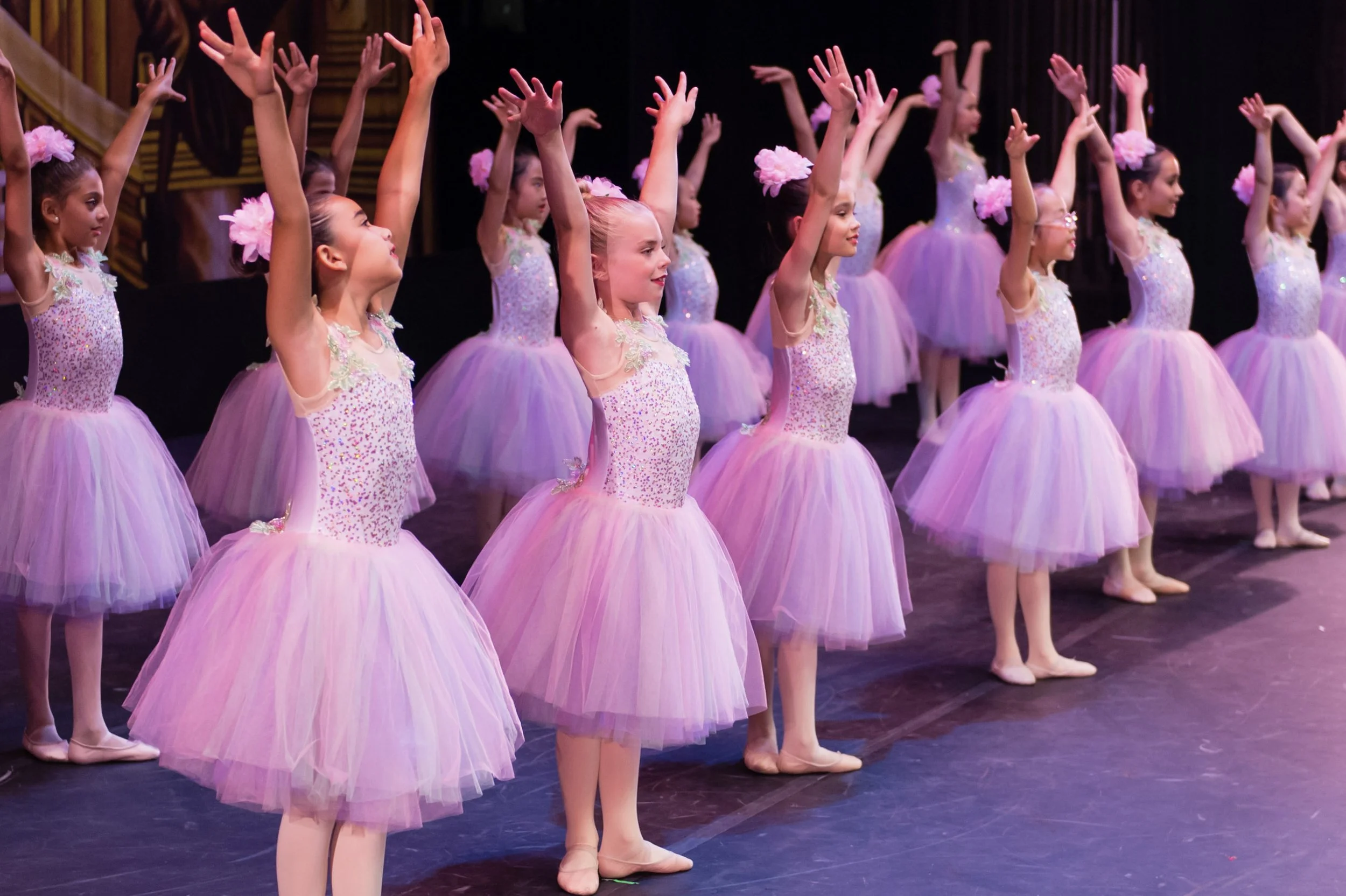
Joy becomes routine
Preschoolers thrive on predictable structure. The goal is a class flow that keeps kids regulated, engaged, and progressing without constant behavior firefighting.
- Consistent rituals + transitions
- Movement vocabulary that builds weekly
- Confidence through small wins
Structure is the secret sauce
Creative movement isn’t “random play.” It’s guided exploration that builds coordination, rhythm, attention, and resilience — in a way preschool brains can absorb.
- Age-appropriate progressions
- Technique taught through play
- Parent-visible outcomes
It’s designed to scale
A thriving preschool program can’t depend on one “superstar teacher.” Curriculum creates consistency across teachers, rooms, and seasons — the foundation of studio growth.
- Less prep time, better delivery
- Cleaner retention patterns
- Predictable parent experience
Ages 2–5 program overview
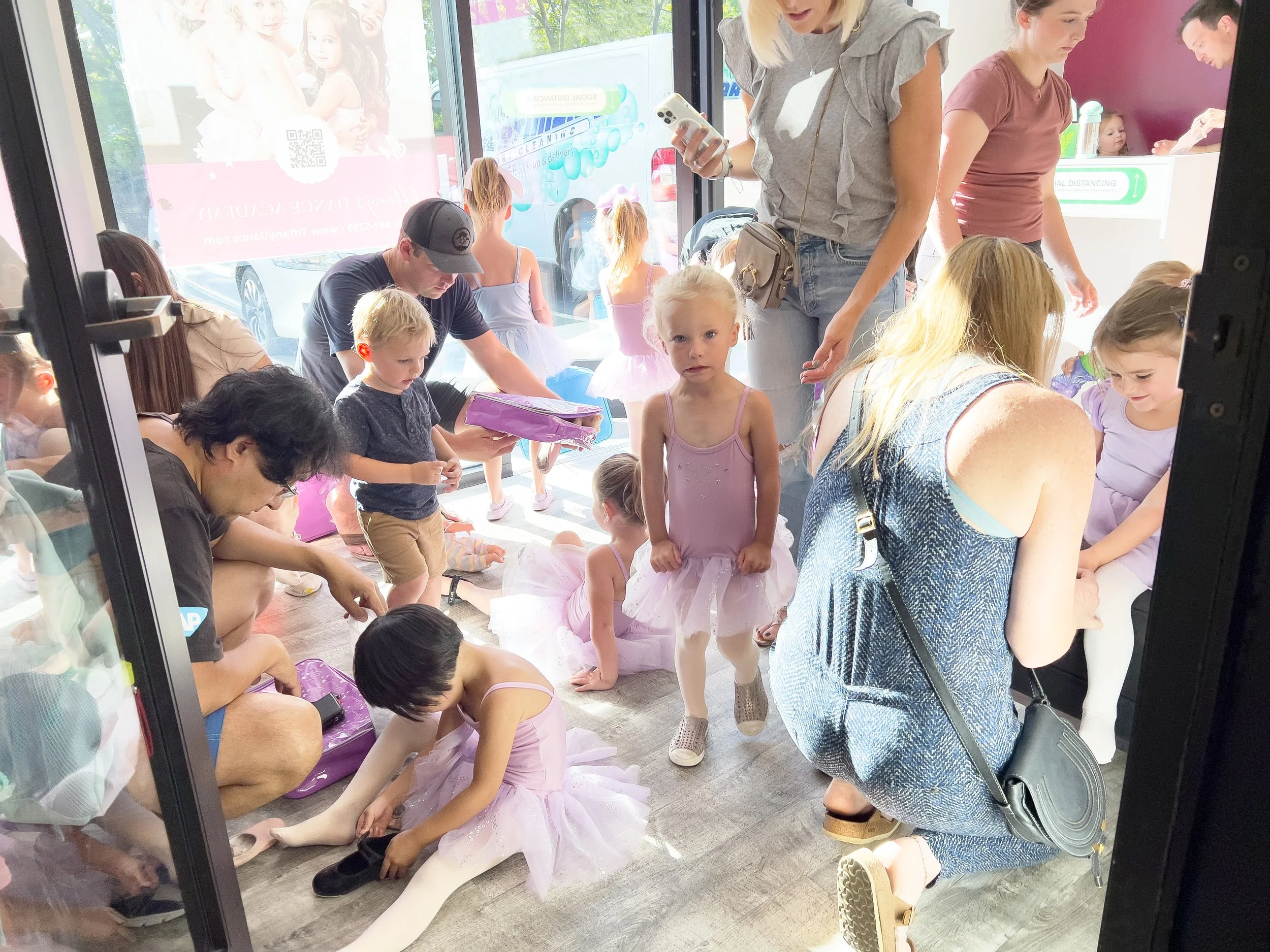
- Ages 2–3: safe exploration, imitation, routines, early rhythm
- Ages 3–4: coordination, patterns, classroom skills, growing movement vocabulary
- Ages 4–5: sequencing, performance confidence, stronger balance and control
Go deeper here: Program Overview.
Class structure and outcomes
Parents don’t buy “curriculum.” They buy growth they can see: confidence, coordination, listening skills, and joy that sticks.
A repeatable preschool class flow
- Arrival ritual: names, rhythm, predictable start
- Creative movement warm-up: spatial awareness + locomotor patterns
- Technique-in-disguise: shapes, balance, alignment cues
- Across-the-floor adventure: turns, jumps, traveling skills
- Skill spotlight: one micro-skill repeated enough to lock in
- Closure: calm ending + preview “what’s next”
Full breakdown: Class Structure & Outcomes.
Outcomes you can explain in one sentence
| Outcome | What parents notice |
|---|---|
| Confidence | Kids participate more, recover quickly, and take up space without fear. |
| Coordination | Better balance, more controlled jumps, smoother traveling patterns. |
| Listening + routines | Transitions improve, fewer tears, kids anticipate “what’s next.” |
| Resilience | They try again after mistakes — a life skill disguised as dance. |
This is also why studio owners tie curriculum to retention: Enrollment & Retention and Grow Your Dance Studio.
Where joy meets operations: “Inside the Studio” (the real-world test)
This is how curriculum stays consistent while admin work gets lighter — a huge part of why studios can grow without burnout.
Where Joy Becomes Routine — and Operations Stay Effortless
Running a thriving studio shouldn’t mean living behind the front desk. Twinkle Star Dance Academy is designed for smart, scalable management — blending warm, personal connection with streamlined systems and virtual support.
- Morning: Virtual Assistants check inquiries, register students, confirm trial classes through the CRM while preschool classes begin (ages 2–6), guided by the Twinkle Star Dance curriculum.
- Afternoon: As older students arrive, VAs handle chats and payments remotely so instructors stay fully engaged in teaching.
- Evening: Owners review dashboards showing registration, retention trends, and mood-tracking data — leaving energized, not exhausted.
This is the bridge between curriculum and growth. Continue here: Preschool Programs & Profitability.
Mini “impact chart” for owners
Curriculum is a consistency engine. Consistency creates outcomes. Outcomes create retention. Retention creates profit.
When you’re ready to compare models, build authority here: Curriculum vs Custom Classes.
Research-backed methodology
“Evidence” matters, but only if it’s connected to what studios and families actually experience.
Smart Systems. Scientific Roots. Constant Evolution.
Twinkle Star Dance Academy is where business meets brain science. Studios connect through the Dance Positive platform, collecting anonymous data on mood and engagement that fuels real research and smarter curriculum design.
In partnership with the University of Pennsylvania and Stanford University, we study how structured movement builds executive function, focus, and resilience. The same digital tools that simplify daily operations also advance child-development science.
External context for developmentally appropriate teaching: NAEYC Developmentally Appropriate Practice.
Research spotlight
Our partnership with researchers at the University of Pennsylvania grounds Twinkle Star in evidence. Unlike many children’s activity franchises, we can point to published data showing dance measurably improves mental health. This is not just a business — it’s a social impact venture.
- Curriculum evolves with data and observation (not guesswork)
- Mood + engagement insights inform teacher tools
- Clear positioning: joy + outcomes + operational simplicity
Full deep dive: Research-Backed Methodology.
Curriculum that supports growth
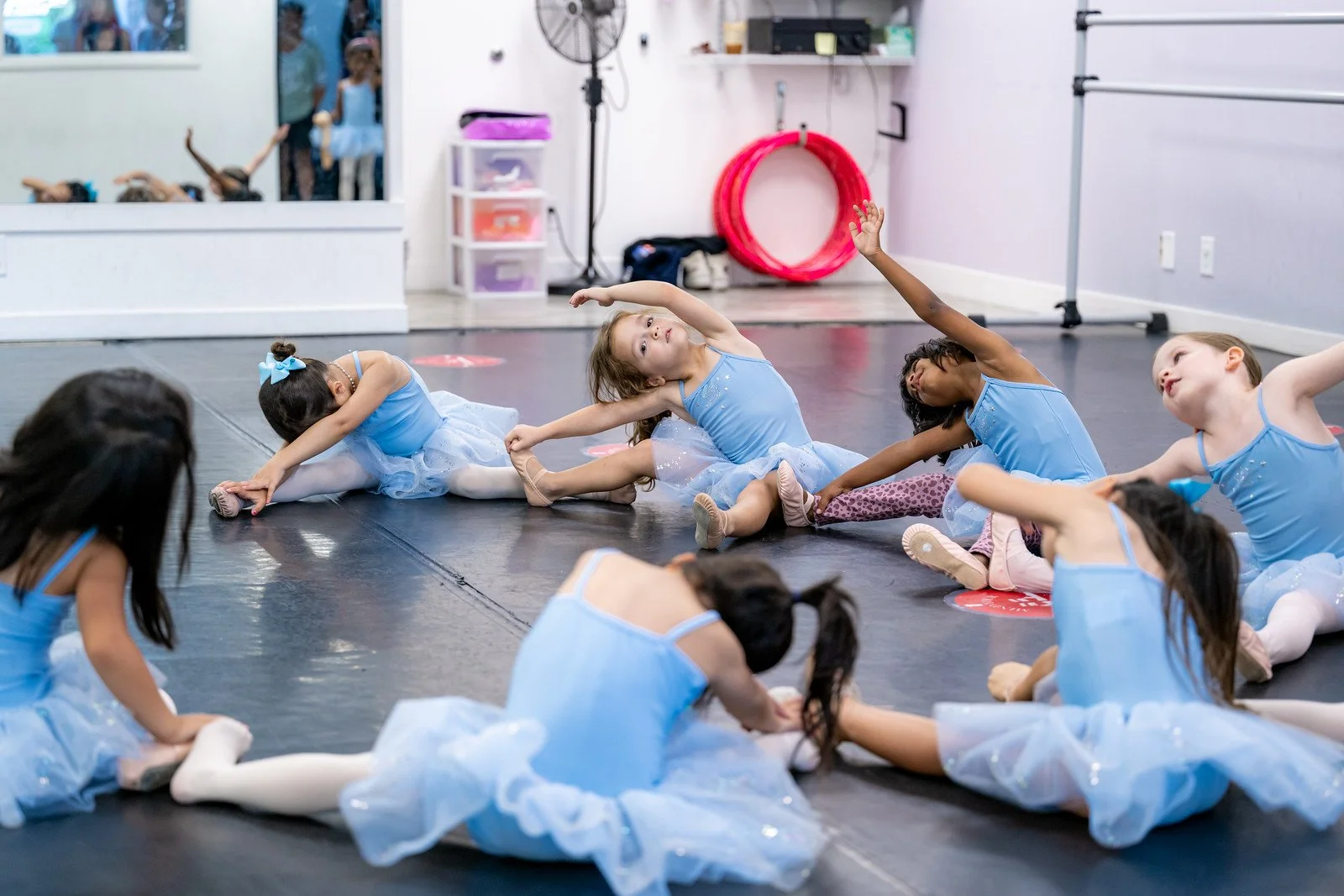
Curriculum is the teaching engine. Studio Growth is the business engine. Tie them together!
Dance Curriculum FAQs
+ What makes Twinkle Star Dance Academy different?
+ What support do I get?
+ Why now?
+ What are the multiple revenue streams of a Twinkle Star Dance Academy?
+ Do I need to manage inventory for dancewear and costume sales?
+ How does curriculum help enrollment and retention?
Preschool Dance Curriculum Pages & Details
Select a card from the grid to take you to the page information:
Program Overview
Ages 2–5 breakdown, readiness cues, class length guidance, and skill progressions.
Creative Movement Approach
Method + examples, why it supports executive function and focus, and how teachers use it.
Class Structure & Outcomes
Flow templates, sample routines, outcomes by age band, parent messaging.
Research-Backed Methodology
Penn/Stanford partnerships, Dance Positive platform, and “what the data informs” in plain language.
Grow Your Dance Studio
The growth pillar: profitability, retention, and scaling your preschool program.
Studio Owner Resources
Lead-gen toolbox page: checklists, scripts, templates, and training links.