Ages 2–5 Program Overview
ages 2–5 dance program success is not about “keeping kids busy.” It is about a structured progression that matches child development, builds confidence, and creates parent-visible outcomes. This overview explains class length, readiness cues, skills by age, and how Twinkle Star’s preschool program connects to the full Preschool Dance Curriculum system.
What studio owners need from a preschool program
Clear readiness cues
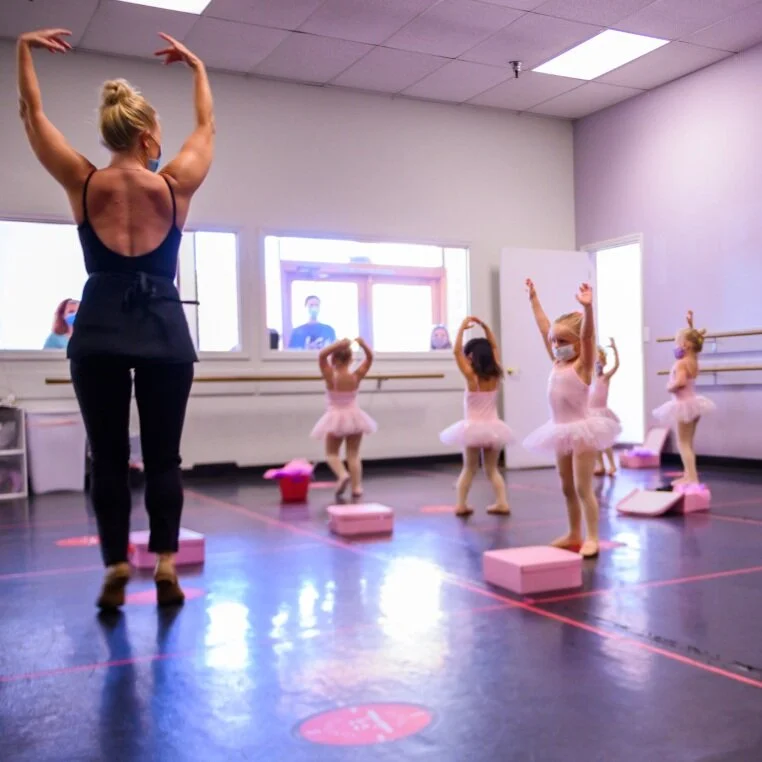
Readiness is behavior plus comfort, not talent. Strong preschool programs plan for normal wobble and still move kids forward.
- Can separate from caregiver with support
- Follows simple one-step directions some of the time
- Can participate in group routines for short bursts
Predictable class flow
Preschoolers love repetition. Owners love it because repetition reduces behavior issues and improves teaching consistency.
- Arrival ritual
- Creative movement
- Skill spotlight
Parent-visible outcomes
Parents do not need a syllabus. They need visible progress: coordination, confidence, listening, and joy that feels safe.
- Better routines and transitions
- Stronger balance and control
- More confident participation
How this page connects to the full curriculum system
Recommended class length by age
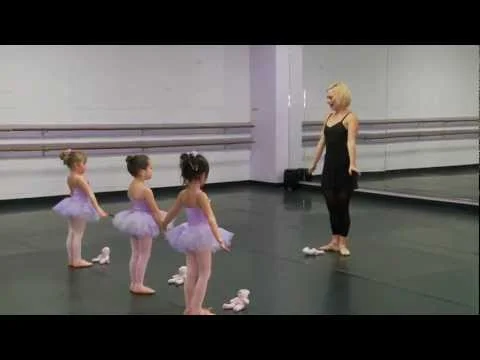
Time is not the magic ingredient. Structure is. These ranges keep attention realistic while still building skill progressions.
| Age band | Typical class length | What matters most |
|---|---|---|
| Ages 2–3 | 25–35 minutes | Routine, regulation, playful imitation, simple rhythm |
| Ages 3–4 | 30–45 minutes | Transitions, movement vocabulary, early technique cues |
| Ages 4–5 | 35–50 minutes | Sequencing, stronger balance, confidence in group learning |
For external context on developmentally appropriate practice, reference NAEYC: Developmentally Appropriate Practice.
Skill progressions by age band
These progressions help teachers teach consistently and help owners explain outcomes to parents in normal language.
Primary goals
- Comfort in the room and group routines
- Imitation, rhythm exploration, and safe movement play
- Listening foundations through predictable cues
Skills you can build
- March, tiptoe, jump, freeze, and simple levels
- Balance games (one foot for a moment is a win)
- Turn-taking and “watch then try” routines
This age band depends heavily on creative movement structure. Go deeper: Creative Movement Approach.
Primary goals
- Better transitions and group direction following
- Growing movement vocabulary and sequencing
- Confidence through repetition and micro-performances
Skills you can build
- Skip prep, gallop, chasse basics, simple turns
- Shape vocabulary (tall, wide, small, curved, strong)
- Rhythm patterns and start/stop control
If teachers struggle here, it is usually class flow, not “kid behavior.” Use Class Structure & Outcomes as the fix.
Primary goals
- Sequencing and short combinations
- Stronger balance, control, and spatial awareness
- Performance confidence without pressure
Skills you can build
- Simple combinations with rhythm changes
- Turns with spotting cues and controlled landings
- Clear movement vocabulary that carries into older classes
This age band is where consistency drives retention. Tie into the business pillar: Enrollment & Retention and Grow Your Dance Studio.
What parents should expect in the first 30 days
This section helps studio owners set expectations and reduce early drop-off. Clear expectations equals better retention.
Normal in the first month
- Some tears at drop-off, then improvement as routines become familiar
- Short attention bursts that expand with consistent structure
- Rapid confidence growth once kids know “how class works”
If you want a repeatable script and retention system, link this to Enrollment & Retention.
Mini “retention impact chart” for owners
Expectation setting is one of the fastest ways to reduce churn in preschool programs.
Owners building for profitability should connect this page to Preschool Programs & Profitability.
Owner shortcuts that keep quality high
These are operational moves that protect program quality while making staffing and scheduling less fragile.
Consistency beats perfection
Preschool classes improve when teachers follow the same flow weekly. Save “new ideas” for small swaps, not full rewrites.
Train the transitions
Most preschool chaos happens between activities. Strong transitions create calm without lowering standards.
Teach vocabulary early
Kids love labels. Simple vocabulary improves listening and makes progress obvious to parents.
Connect curriculum to growth
Curriculum supports retention, retention supports profit, profit supports expansion. Keep the story linked and consistent.
Next steps: Return to the curriculum pillar or continue into Studio Growth.
Program overview FAQs
+ Is age 2 too young for dance class?
+ What is the best dance class length for preschoolers?
+ What should a 3 year old learn in dance class?
+ How do I know if my child is ready for dance class?
+ How does this connect to the full curriculum?
Related pages
Preschool Dance Curriculum
The main pillar page that anchors all preschool education content.
Creative Movement Approach
Methodology, examples, and how teachers deliver play-based fundamentals.
Class Structure & Outcomes
Class flow templates and outcomes that support parent trust.
Grow Your Dance Studio
The business pillar: profitability, systems, and scaling.
Enrollment & Retention
How to reduce churn and keep preschool families longer.
Preschool Programs & Profitability
How structured programs support stable revenue without lowering standards.