Research-Backed Methodology
Research-backed methodology means Twinkle Star does not rely on guesswork, trends, or random lesson ideas to shape preschool dance. The teaching model is built around child development, guided movement, measurable observation, and evidence-informed decision making so classes feel joyful for children while still supporting meaningful growth in confidence, coordination, focus, and emotional well-being.
Families and studio owners looking at methodology usually want more than promises. They want to know why the program works, how it evolves, and what makes it different from disconnected preschool class plans. That is where this page matters. For the broader curriculum experience, visitors can also explore the Preschool Dance Curriculum, the Creative Movement Approach, and the progress-focused structure on Class Structure & Outcomes.
What a research-backed preschool dance model should actually mean
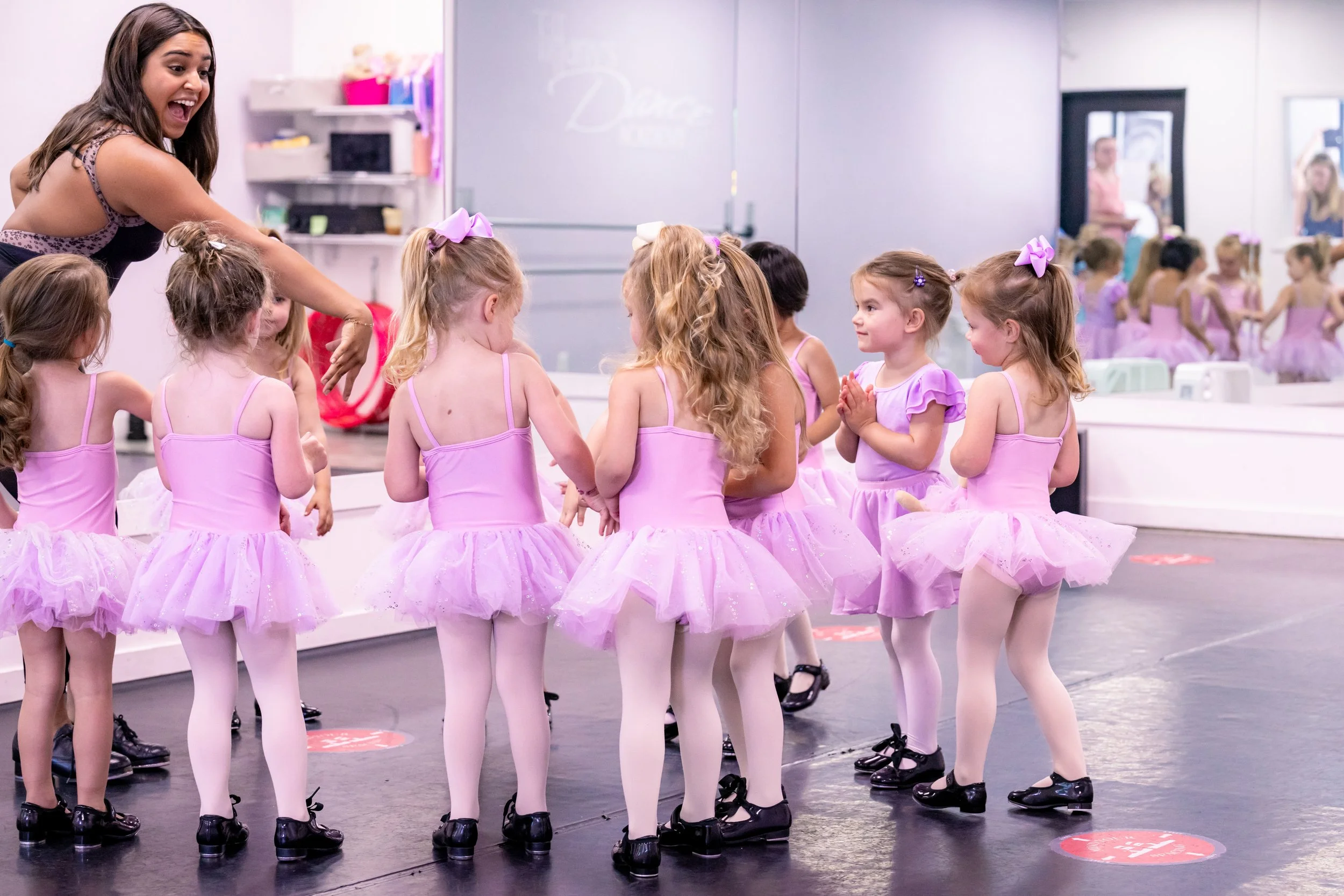
It should mean the program is grounded in how young children learn, how movement supports development, and how classroom design affects engagement, confidence, and retention.
It starts with child development
Preschoolers are not miniature older dancers. They process instructions differently, regulate emotions differently, and learn through repetition, rhythm, play, movement language, and environmental cues. A strong methodology begins by respecting that.
It uses observation, not assumptions
The best teaching systems keep paying attention to what children actually respond to. That includes noticing engagement patterns, emotional responses, class flow, and how students progress over time instead of pretending one rigid formula works for every group.
It turns insight into practice
Research only matters when it improves the classroom. That means lesson design, transitions, prompts, pacing, teacher support, and parent communication should all reflect what the evidence points toward, not just what sounds impressive in marketing.
Why movement belongs in the conversation about child development
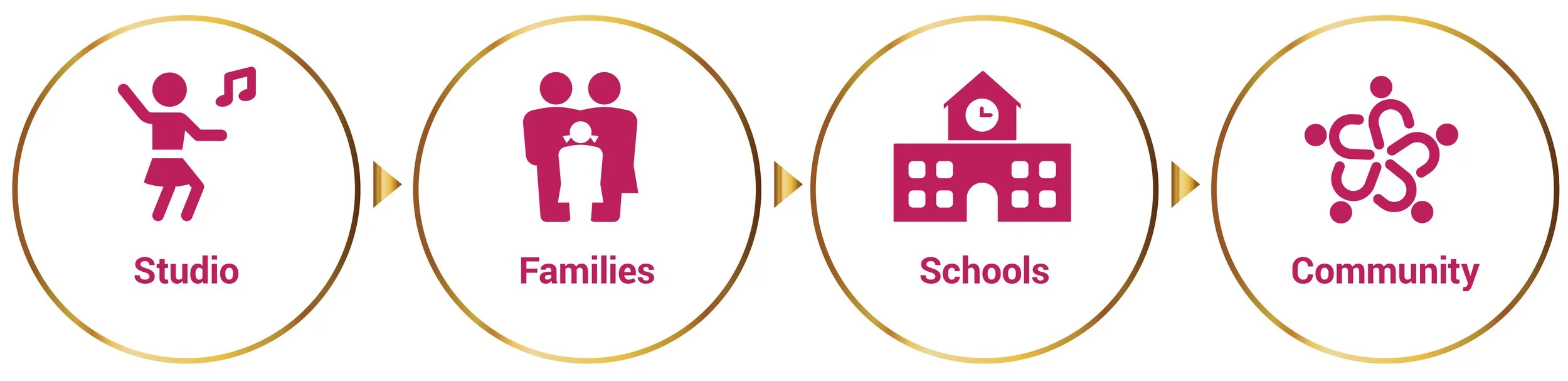
Movement is not just an add-on to early childhood development. It is one of the ways children build body awareness, rhythm, attention, confidence, self-expression, and social participation. In a well-designed preschool dance setting, children are not simply learning choreography. They are practicing listening, sequencing, taking turns, adapting to cues, and regulating themselves within a group.
That is one reason a research-based approach fits naturally with developmentally appropriate practice. The National Association for the Education of Young Children explains why early childhood teaching should match the way young children grow and learn, which aligns closely with structured movement-based instruction. For external reference, see NAEYC's guidance on developmentally appropriate practice.
What this looks like inside the Twinkle Star model
Evidence should show up in how a class is built, how a teacher leads it, and how the program adapts over time.
Guided movement with purpose
Children are given movement experiences that are playful but intentional. Instead of expecting formal technique too soon, the program uses imaginative prompts, rhythm work, spatial awareness, locomotor movement, and simple patterning to build readiness. That teaching style is covered more directly on the Creative Movement Approach page, but the reason it exists comes from this methodology.
Age-appropriate progression
A research-backed program should not ask the same thing from a two year old and a five year old. It should adjust language, pacing, skill expectations, and movement complexity across stages. That is why the age-band differences on Ages 2 to 5 Program Overview matter so much.
Repeatable class design
When teachers have a stable framework, students benefit from consistency and parents see more reliable progress. That is also why methodology and class flow connect directly to Class Structure & Outcomes. Good research should improve how classes run, not sit disconnected from the daily experience.
Ongoing refinement
Strong methodology is not frozen forever. It keeps learning. As teachers observe students, as engagement patterns become clearer, and as the program gathers better insight into what supports joy and growth, the curriculum can evolve without losing its core structure.
Why the data matters
Many dance programs talk about confidence, happiness, or positive impact, but very few try to measure anything in a meaningful way. When a program begins gathering and studying observable changes, it gains a stronger foundation for improving curriculum, teacher tools, and the student experience.
The visual data shared by Twinkle Star points to positive shifts in post-class emotional experience and perceived impact. That matters because it moves the conversation beyond vague claims and into a more accountable model. It does not mean every child will have the same outcome or that one chart explains everything, but it does show a willingness to study what happens rather than just assume success.
Twinkle Star's approach is informed by original, peer-reviewed research on dance and youth wellbeing. A 2026 study of dancers ages 5 to 17, published in Frontiers in Psychology, found that students reported maintained or improved mood after the large majority of classes. That study focused on school-age dancers rather than preschoolers, but it reflects the same commitment that runs through our programs: measuring what actually happens in real classes rather than assuming it.
A real methodology does not just say children benefit from dance. It keeps asking how, under what conditions, and what can be improved so more children benefit consistently.
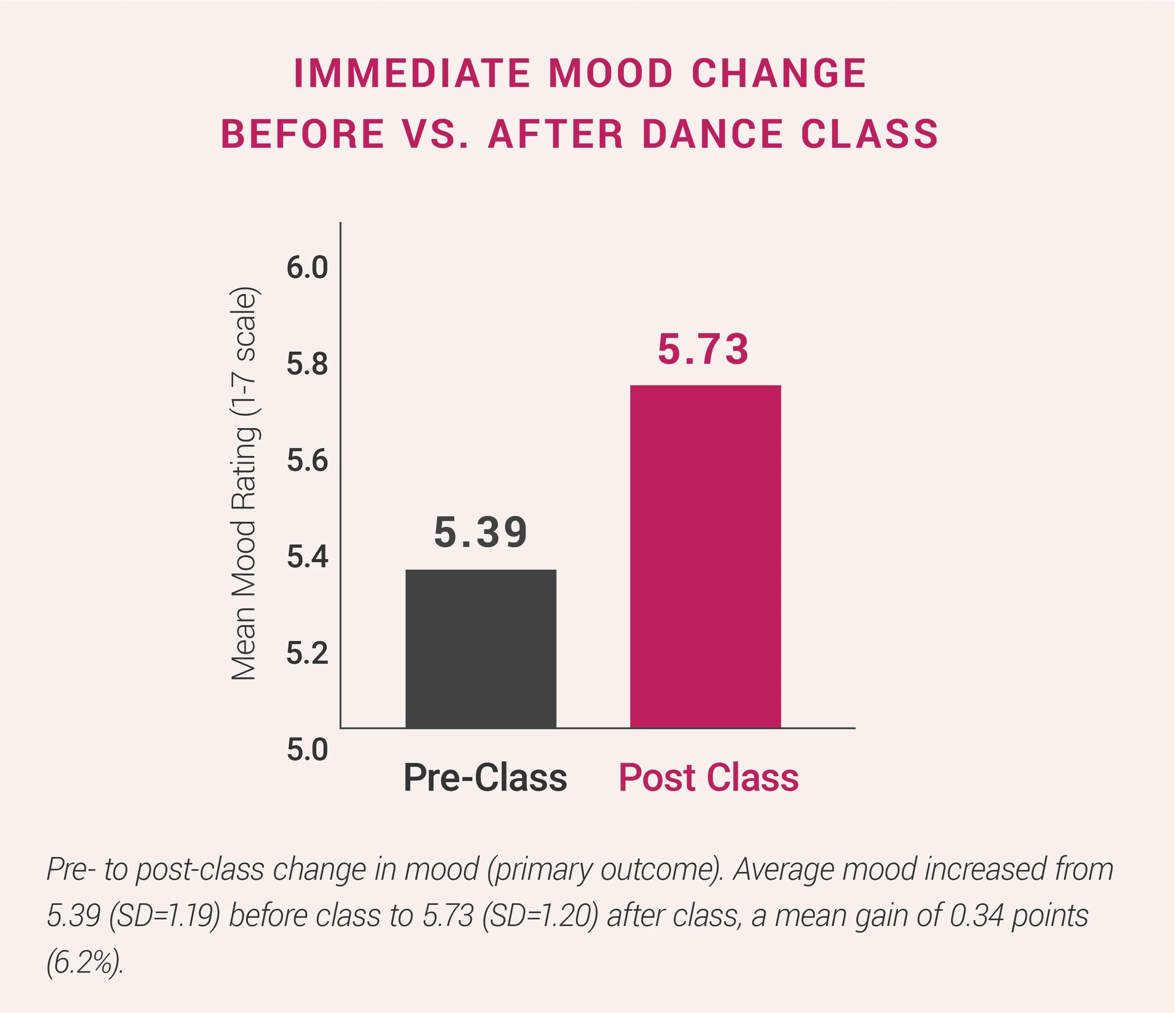
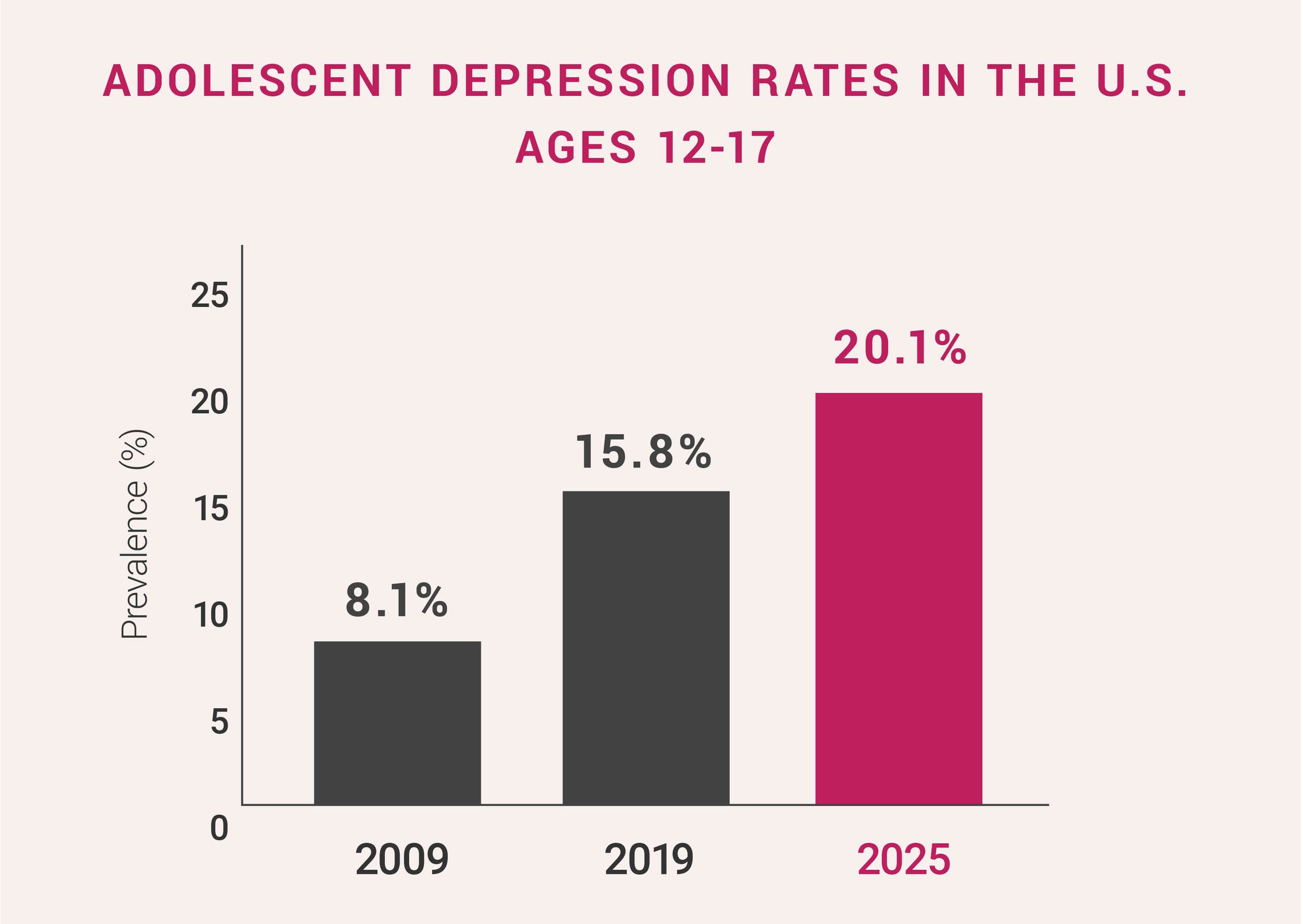
Source: Henderson et al. (2026), Frontiers in Psychology. Based on dancers ages 5 to 17. Read the published study.
From evidence to classroom outcomes
The point of methodology is not to sound academic. The point is to improve what children experience and what parents notice.
| Methodology principle | How it shows up in class | What families and studios gain |
|---|---|---|
| Developmentally appropriate teaching | Prompts, pacing, and expectations match the child’s stage of growth. | Children stay more engaged and less overwhelmed. |
| Movement-based learning | Students build concepts through doing, not just listening. | Skills become more natural and memorable. |
| Structured observation | Teachers and program leaders notice patterns in attention, response, and progress. | Curriculum decisions become more informed over time. |
| Repeatable curriculum design | Classes follow consistent frameworks instead of improvised, disconnected activities. | Parents trust the program more and teachers lead with more confidence. |
| Research-informed refinement | Insights shape future lesson tools, support systems, and teaching choices. | The program can improve without losing its identity. |
Why this matters to studio owners too
Methodology is not only a classroom issue. It affects trust, retention, teacher training, and long-term program consistency. A studio owner who understands the educational foundation behind the curriculum is in a stronger position to explain value, support teachers, and build a preschool offering that families believe in.
A program grounded in evidence also makes it easier to connect the classroom experience to business outcomes. When classes are age-appropriate, repeatable, and meaningful, studios usually see stronger parent confidence and more stable enrollment patterns. That is part of why this page sits naturally alongside Enrollment & Retention, Preschool Programs & Profitability, and Grow Your Dance Studio.
Anyone wanting a broader look at the brand can also visit the homepage, and anyone who wants to ask specific questions about fit, support, or next steps can use the contact page.
What separates this page from general preschool dance advice
This page is not about giving random classroom tips. It is about the reasoning underneath the system.
It explains the “why” behind the curriculum
Where the Creative Movement Approach focuses on teaching style and Class Structure & Outcomes focuses on class flow and visible progress, this page focuses on the framework behind those choices.
It strengthens trust with families and owners
When people understand that the program is grounded in child development and evidence-informed design, the offering feels more credible and more intentional.
It gives the curriculum depth
Strong preschool programs do not feel pieced together. They feel connected. This page helps show that the curriculum is not a bundle of activities. It is a designed system.
Research-Backed Methodology FAQs
+ What does research-backed methodology mean in preschool dance?
+ How is this different from the Creative Movement Approach page?
+ Why is child development important in dance curriculum design?
+ Does research-backed mean the classes feel academic or rigid?
+ How does methodology help studio owners?
+ Where should I go after reading this page?
Explore the related pages
Preschool Dance Curriculum
The main curriculum page covering the full preschool framework, teaching philosophy, progression, and program value.
Creative Movement Approach
See how guided movement, imagination, and developmental alignment shape the classroom experience.
Class Structure & Outcomes
Review the repeatable lesson flow and the kinds of progress families can notice over time.
Ages 2 to 5 Program Overview
Understand how expectations and skill development shift across preschool age groups.
Grow Your Dance Studio
Connect curriculum quality to retention, profitability, and long-term studio growth.
Studio Owner Resources
Find additional support, tools, and next-step resources for owners building a stronger preschool program.