
Preschool Programs & Profitability
Preschool programs profitability depends on more than filling a few classes. The most profitable preschool dance programs are built on clear positioning, age-appropriate curriculum, consistent class delivery, stronger parent trust, and better retention over time. When the preschool offer is structured well, it does not just create revenue now. It creates a healthier long-term foundation for the entire studio.
This page focuses on the business performance of preschool programming. Studio owners who want the bigger picture can also explore Grow Your Dance Studio, while those looking at the classroom side can continue to Preschool Dance Curriculum, Creative Movement Approach, and Class Structure & Outcomes.

What makes a preschool program profitable
Profitability in this part of a studio does not come from squeezing families harder. It comes from building a program that is easier to explain, easier to deliver well, and easier for parents to keep saying yes to.
Better retention beats constant replacement
A preschool program becomes more profitable when owners keep more of the right families instead of constantly spending time and energy replacing them. Retention lowers pressure on marketing and creates more predictable revenue from season to season.
Consistency lowers operational drag
When teachers have a stronger framework, classes run more smoothly and owners spend less time cleaning up preventable issues. That can improve staff confidence, reduce stress, and protect margins in ways many owners underestimate.
Parent trust raises perceived value
Families are more willing to stay enrolled and invest in a program when they understand what their child is gaining. That trust is one of the biggest drivers of sustainable preschool revenue.
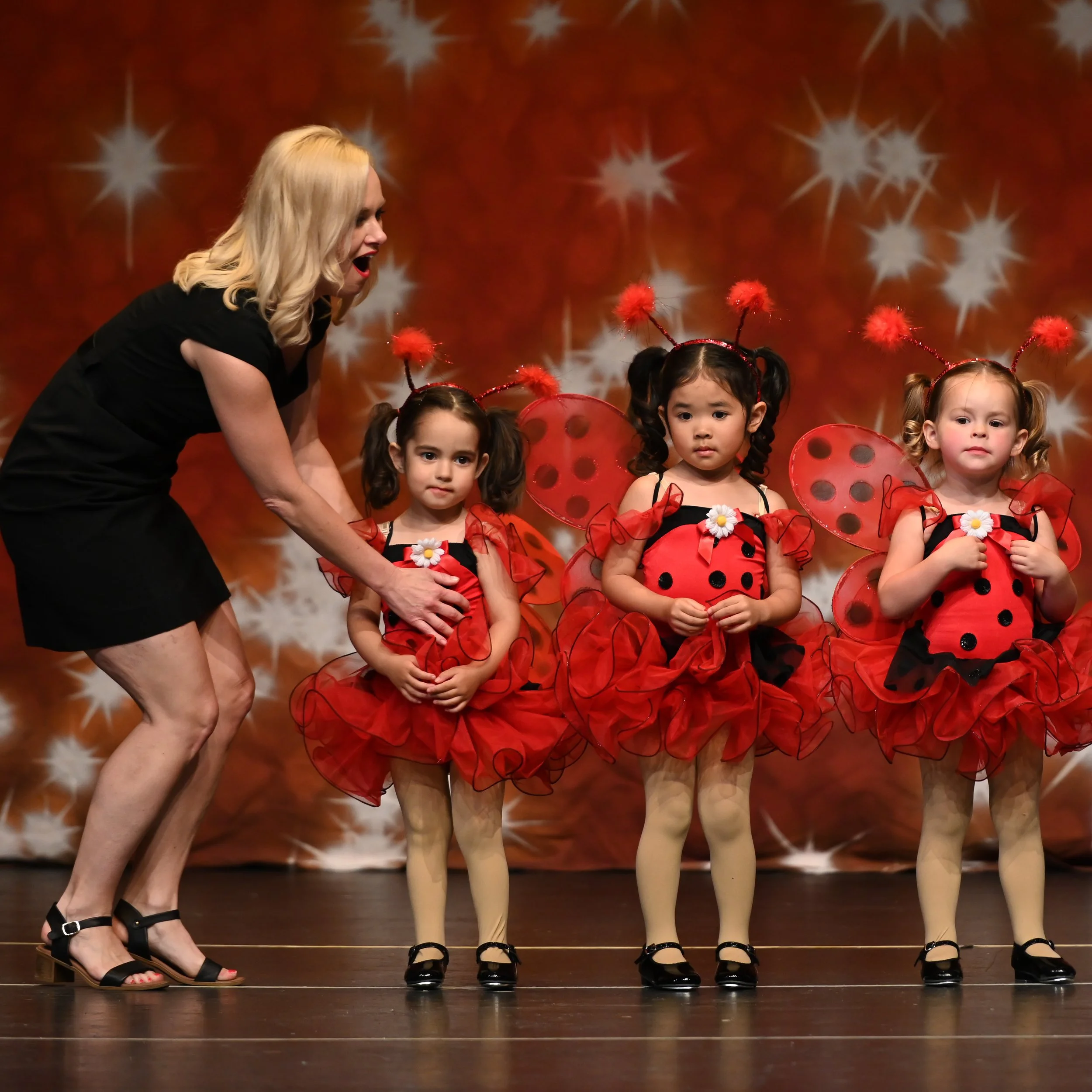
Why preschool is often the front door to long-term revenue
For many families, preschool is their first real relationship with a dance studio. That makes it one of the most important entry points in the business. If the experience feels scattered, unclear, or low-value, the studio loses more than one class tuition. It loses a future path into older programs, referrals, recital participation, and stronger family loyalty.
When preschool is done well, it becomes a pipeline into deeper engagement. Children stay longer, parents build confidence in the studio, and the business gets a steadier base. That is why the classroom pages matter here too. The educational side of Preschool Dance Curriculum directly affects the business side of preschool performance.
The business problems that quietly kill preschool profitability
Many studios think they have a lead problem when they actually have a program problem, a communication problem, or a consistency problem.
Weak class consistency
If one teacher delivers a great experience and another does not, profitability becomes fragile. Families compare experiences quickly, and a preschool program that feels unpredictable creates more drop-off. That is why defined teaching systems and better class flow matter so much.
- Teachers need a repeatable framework
- Parents need consistency they can feel
- Owners need fewer preventable breakdowns
Poor parent understanding of value
If parents see preschool dance as only a cute activity, price becomes easier to question and commitment becomes weaker. Studios that communicate confidence, development, structure, and visible outcomes usually defend value better than studios that rely on vague excitement alone.
- Parents need plain-language benefits
- Visible outcomes support renewals
- Clear positioning supports stronger fit
High churn in early stages
When too many preschool families leave early, the business has to work harder just to stay in place. That is why this page naturally connects to Enrollment & Retention. Profitability and retention are tied together whether the owner is measuring that closely or not.
Owner dependence in daily operations
If every question, every upset parent, every enrollment follow-up, and every class issue runs through the owner, profit gets squeezed by time and attention. Stronger systems create healthier margins because the business is less dependent on constant rescue mode.
Profitability improves when families stay and expand
A preschool family that renews, participates in performances, buys into the studio culture, and eventually moves into older classes is worth far more than a one-time signup. That is why the most profitable preschool programs usually feel calmer, clearer, and more trustworthy than the ones chasing constant volume.
Owners often focus on immediate class fills because that is the pressure they feel day to day. But a better question is whether the preschool experience is creating durable customer relationships. The answer to that usually shows up in renewals, parent confidence, and how often preschool becomes a true feeder for the rest of the studio.
The real money in preschool is not just getting families in. It is keeping the right families long enough for the relationship to deepen.
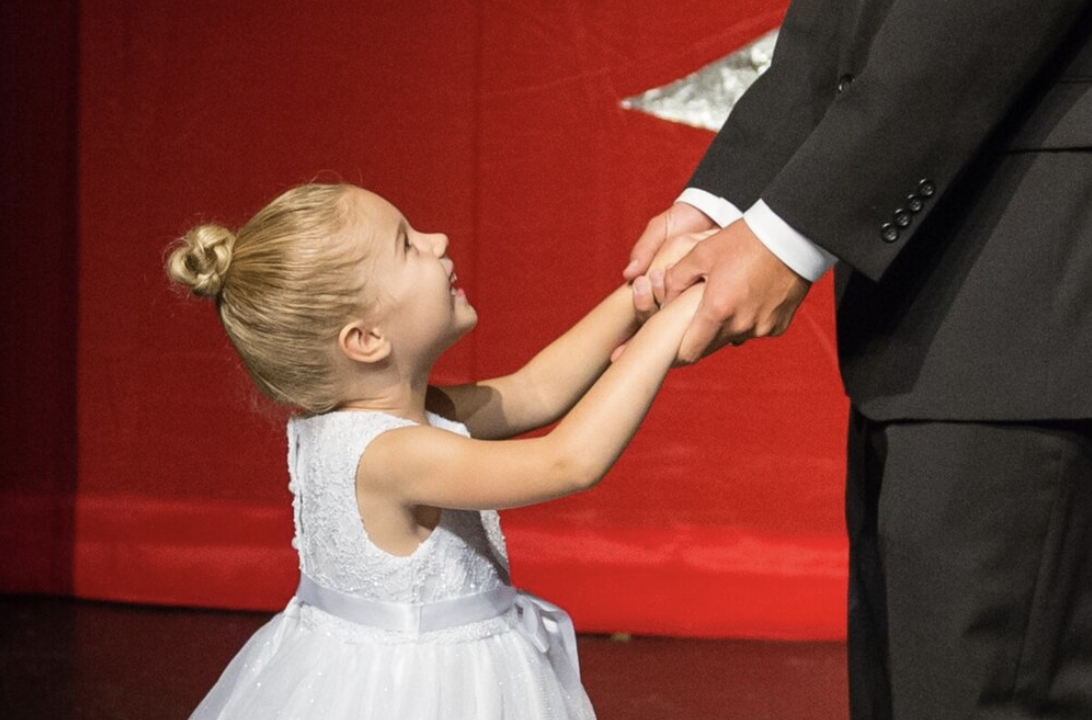
Where profitability actually comes from
More profit does not always mean more volume. Often it means a stronger model with fewer leaks.
| Profit driver | What improves it | Why it matters |
|---|---|---|
| Retention | Families stay enrolled longer because the class experience feels worthwhile and consistent. | Revenue becomes more predictable and customer acquisition pressure drops. |
| Parent trust | Parents understand the value of the preschool offer and what their child is gaining. | Trust supports renewals, referrals, and stronger overall commitment. |
| Operational efficiency | Teachers rely on better systems and owners spend less time troubleshooting preventable issues. | Margins improve when less energy is wasted on chaos. |
| Program fit | The studio attracts families who want this kind of structured preschool experience. | Better fit leads to stronger long-term customer value. |
| Progression into future offerings | Preschool students stay in the studio ecosystem instead of treating the class as a short one-off. | Lifetime value increases far beyond one session of tuition. |
How curriculum affects profitability
Curriculum is not just a teaching issue. It shapes customer experience, staff consistency, and the overall financial health of the preschool offer.
Defined curriculum supports consistency
A strong curriculum reduces guesswork for teachers and creates a more stable experience for families. That stability supports both retention and staffing confidence, which is one reason many owners compare systems on Curriculum vs Custom Classes.
Better classes strengthen parent messaging
It is much easier to explain value when the class has real structure, visible outcomes, and age-appropriate progression. A messy program creates weak messaging because there is less real substance underneath it.
Stronger progression supports long-term loyalty
When preschool feels like a true first step rather than a disconnected mini-offering, families are more likely to continue. That is part of what makes preschool such a strong business lever when it is built well.
Profitability also depends on owner decisions outside the classroom
Class quality matters, but owners still need sound business discipline around pricing, staffing, scheduling, follow-up, and customer communication. A great preschool class can still underperform financially if the business systems around it are weak.
That is one reason it helps to think of this page as a practical business page, not only a curriculum page. Owners who want broader operational support can also review the Studio Owner Resources page, browse the homepage, or reach out through the contact page when they want to talk through fit or next steps.
For outside business guidance, the U.S. Small Business Administration provides useful material on planning, cash flow, and growth through its small business planning resources.
Signs a preschool program is financially stronger than it looks on paper
- Families renew without needing heavy discount pressure
- Teachers deliver a consistent experience across classes
- Parents clearly understand what their child is gaining
- Preschool students continue into additional studio offerings
- The owner is not constantly rescuing avoidable issues
Preschool Programs & Profitability FAQs
+ What makes a preschool dance program more profitable?
+ Is profitability just about charging more tuition?
+ Why does retention matter so much for preschool profitability?
+ How does curriculum affect preschool program profitability?
+ Which page should I read next if I want to reduce drop-off?
+ Where can I ask direct questions about preschool program growth?
Keep exploring the business side of the studio
Grow Your Dance Studio
See the full studio growth hub covering retention, systems, positioning, and the bigger business picture.
Enrollment & Retention
Focus on improving renewals, reducing drop-off, and creating a customer experience that keeps families around.
Curriculum vs Custom Classes
Compare the financial and operational differences between a defined system and a pieced-together approach.
Studio Owner Resources
Find additional tools, guidance, and support for owners building a stronger preschool program.
Preschool Dance Curriculum
Review how the classroom side of preschool programming supports stronger family trust and business performance.
Contact Us
Reach out when you want to ask direct questions about fit, support, or the next step for your studio.