What Systems Do Dance Studios Need to Scale Successfully?
Scaling a studio takes more than talent, passion, and a full class schedule. It requires strong dance studio systems and processes that support daily operations, reduce stress, and create a consistent experience for students, parents, and staff. Without those systems in place, growth often creates chaos instead of stability. More classes lead to more communication breakdowns, more scheduling issues, more staff questions, and more owner burnout. The studios that grow well are usually the ones that stop relying on memory and hustle alone and start building repeatable ways of working.
A successful dance studio does not run only on creativity. It also runs on structure. When studio owners have clear processes for enrollment, teaching standards, parent communication, billing, staff training, and class progression, they can make better decisions and free up time for leadership. Instead of solving the same problems every week, they create systems that solve those problems once and support long-term growth.
Dance Studio Systems and Processes Explained
At the most basic level, systems are the tools, workflows, and repeatable methods your studio uses to operate. Processes are the step-by-step actions your team follows within those systems. Together, they form the operational backbone of the business.
For example, your registration platform is a system. The way your team handles new student inquiries, follows up with trial families, and completes enrollment is a process. Your curriculum is a system. The way teachers prepare for class, track progress, and deliver consistent instruction is a process.
When studio owners hear the word systems, they sometimes think of something rigid or overly corporate. In reality, good systems make a studio more human, not less. They reduce confusion. They create clarity. They allow teachers to focus on teaching, front desk staff to focus on service, and owners to focus on growth.
Core Dance Studio Systems and Processes Every Studio Needs
Every dance studio is different, but most growing studios need strong systems in the following areas:
Enrollment and registration
- Online registration
- Trial class workflows
- Waitlist management
- Class placement guidelines
- Lead follow-up process
Billing and financial operations
- Automated tuition collection
- Clear refund and withdrawal policies
- Payment reminder workflows
- Recital fee processes
- Financial reporting and tracking
Scheduling and capacity management
- Class schedules by age and level
- Room assignments
- Staff schedules
- Substitute teacher plans
- Seasonal calendar planning
Curriculum and class delivery
- Age-appropriate lesson structure
- Skill progression
- Choreography planning
- Recital preparation timeline
- Teacher resources and training tools
Parent communication
- Welcome emails
- Policy reminders
- Performance updates
- Calendar announcements
- Issue resolution protocol
Staff management
- Hiring workflows
- Onboarding
- Training materials
- Performance expectations
- Internal communication systems
Retention and student experience
- Progress tracking
- Re-enrollment campaigns
- Student recognition
- Family feedback collection
- Referral incentives
Studios that document these areas well tend to grow more predictably. They are not constantly reinventing the wheel. They are building an organization that can function smoothly even when the owner is not personally involved in every detail. For a practical starting point, browse our Studio Owner Resources.
Why Strong Systems Matter for Growing Dance Studios
Many dance studios hit a growth ceiling not because demand disappears, but because operations become too dependent on one person. The owner answers every question, fixes every problem, trains every teacher, and keeps every detail in their head. That might work in the early stages, but it is not sustainable.
Strong systems matter because they turn a studio from a personality-driven business into a process-supported business. That shift is essential for scale. Learn more about what that shift looks like in practice on our Studio Growth page.
When your studio has reliable systems, several things happen:
- Daily operations become more efficient
- Staff members become more confident and independent
- Families receive a more consistent experience
- Mistakes decrease
- Training becomes faster
- Expansion feels more manageable
- Owner burnout is reduced
This is especially important in dance education because families notice inconsistency quickly. If one class is organized, engaging, and professional while another feels scattered and unclear, trust starts to erode. Parents may not use the word systems, but they absolutely respond to the presence or absence of them.
A strong operational foundation also improves profitability. Missed follow-ups, poor retention, unclear pricing, inconsistent teaching, and staff turnover all carry a cost. Systems help protect revenue by supporting consistency and reducing preventable problems.
How Systems and Processes Support Staff Consistency
One of the biggest benefits of clear systems is that they help your staff deliver a dependable experience. That does not mean every teacher has to sound the same or teach without personality. It means the studio has standards that guide everyone toward the same level of excellence.
Staff consistency starts with documentation. If your team is expected to greet families a certain way, handle behavior concerns professionally, teach a class with a consistent structure, or prepare for recital using a shared timeline, those expectations need to be written down and trained.
Systems support staff consistency by giving teachers and team members:
- Clear expectations
- Defined responsibilities
- Standard training resources
- Easy access to answers
- Shared language for communication
- Reliable workflows for recurring tasks
For example, when a new teacher joins the studio, they should not have to guess how classes are supposed to run. They should have a framework. That framework might include class format, age-appropriate pacing, teaching goals, classroom management practices, and communication standards for interacting with parents.
The same is true for front desk or admin staff. If one team member handles billing questions one way and another handles them differently, families receive mixed messages. A documented process creates alignment and lowers the risk of frustration.
Strong staff systems also make growth less risky. If you want to add classes, expand locations, or step back from daily teaching, your ability to do so depends on whether your team can operate consistently without constant correction.
Using Systems to Improve the Parent and Student Experience
The parent and student experience is often where the impact of strong systems becomes most visible. Families want more than a class on the schedule. They want confidence that the studio is organized, communicative, and invested in their child's progress.
From a parent's perspective, a well-run studio feels easy to work with. They know how to register. They understand the calendar. They receive timely reminders. They know what their child is learning. They trust that classes are purposeful and age-appropriate.
From a student's perspective, systems create stability. Children benefit from predictable class structures, clear progression, and teachers who are prepared. That consistency builds confidence and supports retention.
A few ways systems improve the family experience include:
- Faster response times to questions
- Smoother registration and payment processes
- Clearer expectations around attendance, attire, and performances
- More consistent class quality
- Better communication about growth and milestones
- Reduced confusion during recital season
- Stronger trust in the studio's professionalism
When these pieces are missing, families feel it. They may not complain right away, but confusion often leads to disengagement. When systems are strong, families are more likely to stay longer, refer others, and participate more fully in the studio community.
Implementing Systems Without Overcomplicating Operations
One of the most common mistakes studio owners make is assuming they need a massive operations manual before they can improve their systems. They do not. Good systems should simplify the studio, not bury it in paperwork.
The best approach is to start with the areas that create the most friction. Ask yourself:
- What tasks are repeated every week?
- Where do mistakes happen most often?
- What questions does my team ask again and again?
- What causes stress for parents?
- What depends too heavily on me?
The answers will show you where systems are needed first. If you want outside perspective on where to begin, a strategy session with Tiffany can help you prioritize the areas with the biggest impact.
A practical way to implement systems is to document one repeatable process at a time. Focus on making it clear, usable, and easy to train. For example, you might begin with your new family onboarding process. Then move to teacher onboarding. Then class planning standards. Then recital communication.
Keep each process simple:
- Define the goal
- List the exact steps
- Assign responsibility
- Choose the tool or platform used
- Review and improve over time
You do not need complexity. You need consistency.
It also helps to separate essential systems from optional layers. Essential systems are the ones that directly affect operations, communication, teaching quality, and revenue. Optional layers are things that may be helpful later but are not urgent right now. Growth becomes easier when owners resist the urge to overbuild.
Here are a few ways to keep implementation manageable:
- Use checklists for recurring tasks
- Create templates for emails and parent communication
- Standardize class structures by age group
- Record training videos for common staff workflows
- Store policies and procedures in one shared location
- Review systems quarterly instead of changing them constantly
Remember that systems should serve the studio, not the other way around. If a workflow is too complicated for your team to actually follow, it is not a strong system. It is just extra admin. Visit our Studio Owner Resources for tools and templates designed to make this easier.
As your studio grows, your systems can grow with you. What matters most is creating a foundation that makes daily operations smoother and supports a consistent, high-quality experience for every family.
Frequently Asked Questions
What are dance studio systems and processes?
Dance studio systems and processes are the tools, workflows, and repeatable steps a studio uses to manage operations such as registration, billing, scheduling, staffing, curriculum, and parent communication.
Why do dance studios need systems to scale?
Studios need systems to scale because growth adds complexity. Without clear processes, owners become overwhelmed, staff become inconsistent, and families experience confusion. Systems make growth more sustainable. See how this plays out on our Studio Growth page.
Which system should a studio owner build first?
Start with the area that creates the most friction. For many studios, that is enrollment, billing, teacher training, or parent communication. The best first system is usually the one that solves a recurring problem quickly.
Can systems make a studio feel too rigid?
No, not when they are built well. Strong systems create structure behind the scenes so teachers can be creative and families can enjoy a smoother experience. They support the studio's culture rather than limiting it. Our Creative Movement Approach is a good example of how structure and creativity work together.
How do systems help reduce owner burnout?
Systems reduce owner burnout by eliminating repeated decision-making, decreasing emergencies, improving delegation, and helping the team solve routine issues without relying on the owner for every answer.
Do small dance studios need systems too?
Yes. In fact, smaller studios often benefit the most because clear systems help them operate professionally from the beginning and prepare for future growth without chaos.
Ready to Build a Stronger Dance Studio?
If your goal is to grow without sacrificing quality, consistency, or your own well-being, the right systems matter. That is where Twinkle Star Dance can help. Twinkle Star Dance offers a complete preschool and school-age curriculum with choreography that is turnkey and proven in 300+ studios worldwide. The program is designed as a plug-and-play system to help studio owners improve consistency, support retention, train teachers more easily, and run smoother operations. Start growing your studio today.

How Do You Scale a Dance Studio Business Without Burnout?
Scaling a dance studio business is exciting, but it can also become overwhelming if growth happens faster than your systems, staff, and schedule can support. Many studio owners start with a passion for teaching, community, and creativity, only to find themselves buried in admin work, instructor management, parent communication, and constant problem-solving. Sustainable growth requires more than adding students and classes. It requires a model that protects quality, supports your team, and gives you room to lead without sacrificing your life outside the studio.
The truth is that growth alone is not the goal. Healthy growth is. Studio owners who scale successfully understand that more classes, more teachers, and more revenue only help when the business can operate smoothly at every stage. If every new enrollment creates more stress, more confusion, and more dependency on the owner, the business is not truly scaling. It is simply getting heavier.
A well-run studio grows through intentional planning, repeatable systems, strong curriculum, and clear leadership. When those pieces are in place, expansion becomes much more manageable. You can increase revenue, improve retention, develop staff confidence, and create a stronger brand without burning yourself out in the process.
How Scaling a Dance Studio Business Really Works
Many studio owners assume scaling means opening a second location, adding dozens of new classes, or hiring a larger team. In reality, scaling is about increasing capacity and profitability without increasing chaos. It means your business becomes more efficient and more consistent as it grows.
Sustainable scaling usually starts with asking a few practical questions:
- Can your classes be delivered consistently across teachers and age groups?
- Can your front desk, enrollment, and communication processes handle more families?
- Can your teachers succeed without constant owner intervention?
- Can your curriculum support retention, progression, and parent satisfaction?
- Can you grow revenue without working longer hours every month?
If the answer to those questions is no, the problem is not demand. The problem is infrastructure.
Growth becomes sustainable when a studio moves from owner-dependent operations to system-dependent operations. That shift changes everything. Instead of the owner answering every question and solving every issue, the business begins to run through documented workflows, clear standards, and repeatable teaching methods.
Why Systems Are Key to Scaling a Dance Studio Business
Systems are the foundation of sustainable growth because they reduce decision fatigue, improve consistency, and make training easier. Without systems, every class, teacher, and customer interaction depends on memory, improvisation, or last-minute problem-solving. That might work when a studio is small. It does not work when enrollment increases.
Strong systems help streamline:
- New student onboarding
- Trial class follow-up
- Tuition collection
- Parent communication
- Class scheduling
- Teacher training
- Recital preparation
- Substitute coverage
- Performance evaluations
- Curriculum delivery
When these areas are organized, the studio runs more smoothly, and the owner gains time to focus on leadership, strategy, and culture instead of daily firefighting. For a deeper look at the tools and strategies that support this, visit our Studio Owner Resources.
For example, a documented onboarding process can ensure every family receives the same welcome, expectations, dress code information, and communication schedule. A structured teacher training process can reduce inconsistency between classrooms. A repeatable recital workflow can help eliminate last-minute stress. Systems do not remove the heart of your studio. They protect it.
How Curriculum Impacts Scalability
Curriculum plays a major role in whether growth feels smooth or strained. When a studio relies on individual teachers to create class content on their own, quality can vary widely. One class may feel polished and purposeful while another feels disorganized. That inconsistency affects student progress, parent trust, and retention.
A scalable curriculum creates a reliable experience across levels, age groups, and instructors. It gives teachers a framework to follow and helps the studio maintain standards as more classes are added. It also makes hiring less risky because new instructors are not expected to build everything from scratch.
A strong curriculum supports scalability by helping studios:
- Deliver a more consistent student experience
- Improve student progression over time
- Train new teachers more efficiently
- Reduce prep time for instructors
- Maintain brand identity across all classes
- Support retention by giving parents confidence in the program
For preschool and school-age programs especially, curriculum can be the difference between controlled growth and constant reinvention. Studio owners who use a proven preschool dance curriculum often find it easier to expand class offerings, delegate instruction, and ensure long-term quality.
Common Mistakes When Scaling a Dance Studio
Growth can create momentum, but it can also expose weak spots. Many dance studio owners do not burn out because they grew too fast. They burn out because they grew without support structures in place.
Here are some of the most common mistakes studio owners make when trying to scale.
Trying to do everything alone
This is one of the biggest reasons burnout happens. Owners often believe they need to oversee every class, answer every email, solve every conflict, and approve every detail. While this level of involvement may feel responsible, it prevents the business from becoming scalable. At some point, growth demands delegation. Our one-on-one coaching options are designed specifically to help owners build the confidence to step back and lead.
Adding classes before improving systems
More classes can increase revenue, but they also increase complexity. If registration, communication, staffing, and curriculum are already disorganized, expansion will multiply those issues. Growth should follow structure, not replace it.
Hiring reactively instead of strategically
Many studios hire when they are desperate, not when they are prepared. This leads to rushed onboarding, unclear expectations, and inconsistent teaching quality. Scaling requires a plan for recruitment, training, and retention before the pressure becomes urgent.
Preparing Your Team Before Scaling Your Studio
Your team has a direct impact on whether your growth is sustainable. Teachers and admin staff need more than enthusiasm. They need clarity, tools, support, and accountability.
Before scaling, make sure your team understands:
- Your studio values and teaching philosophy
- Class expectations and behavior standards
- Curriculum structure and progression goals
- Communication protocols with parents
- Performance expectations and review processes
- How to handle common classroom and customer service issues
A team that is prepared before growth happens will be more confident, more consistent, and more capable of supporting your vision. A team that is unclear or overwhelmed will increase the owner's workload and create stress for families.
Ignoring retention while chasing new enrollments
Growth is not only about attracting new students. It is also about keeping current families happy and engaged. If enrollment rises but retention stays weak, the studio remains stuck in a constant cycle of replacing students instead of building momentum.
Building a business around the owner's energy instead of a repeatable model
If your studio works only because you are constantly present, solving problems, and filling gaps, then the business is not truly scalable. A business should be able to operate well even when the owner steps away for a day, a weekend, or a vacation.
That does not mean you stop caring. It means you build a healthier structure that allows you to lead instead of carrying everything yourself.
Building a Scalable Model for Long-Term Growth
Long-term growth is not about pushing harder every year. It is about building smarter. A scalable model creates more stability, not more strain. It allows studio owners to serve more students, support more staff, and grow revenue while maintaining quality and personal balance.
A scalable dance studio model usually includes five essential elements.
1. A clear program structure
Your class offerings should make sense for your market, your team, and your goals. Avoid overcomplicating the schedule with too many niche options that are difficult to staff or fill. Instead, focus on programs with strong demand, strong retention potential, and clear progression.
This often means strengthening preschool and foundational school-age classes, because they build long-term enrollment pipelines and create consistency in your program.
2. A repeatable curriculum
A studio that relies on teacher improvisation will struggle to expand without inconsistency. A studio that uses a structured, proven curriculum can scale more confidently. Teachers have direction. Students have progression. Parents understand the value. The owner spends less time reinventing class content and more time building the business.
Not sure whether a structured curriculum is right for your studio? Read our breakdown of curriculum vs. custom classes to see how the two approaches compare at different stages of growth.
3. Strong team development
Scaling requires leadership at more than one level. Even if you are the primary visionary, you need teachers and staff who can carry responsibility well. That means investing in onboarding, coaching, and communication, not just hiring warm bodies to cover classes.
Developing team leaders can also reduce bottlenecks. A lead preschool teacher, office manager, or program coordinator can take ownership of important functions and free the owner from constant operational demands.
4. Efficient operations
Look closely at the areas that create repeat stress. These often include scheduling, payroll, parent emails, costume planning, and substitute coordination. Then ask how each one can become more standardized and efficient.
Helpful improvements may include:
- Checklists for recurring tasks
- Templates for parent communication
- Standardized staff training materials
- Calendar-based planning for events and recitals
- Clearly documented procedures for daily operations
Operational efficiency creates breathing room. It also helps the business stay professional as it grows. Browse our Studio Owner Resources for tools and templates that support this kind of structure.
5. A sustainable role for the owner
Scaling without burnout requires redefining the owner's role over time. In the early stages, the owner often teaches, sells, manages, markets, and solves every problem. That may be necessary at first, but it is not sustainable forever.
As the studio grows, the owner should gradually shift toward higher-value responsibilities such as:
- Vision and strategy
- Brand positioning
- Team leadership
- Community partnerships
- Financial planning
- Program development
That shift is essential. Without it, growth simply creates a more exhausting version of the same job.
A good test is this: if your studio doubled in size next year, would your current role still be workable? If not, the answer is not to work harder. The answer is to build a better model now.
One of the smartest ways to do that is by using resources that reduce preparation time and improve consistency from the start. A ready-made curriculum subscription can shorten the path dramatically. Instead of spending months building class plans, choreography, and progression systems from scratch, studio owners can implement a structured program that is already designed to support quality and growth.
That approach is especially valuable for preschool and school-age programming, where parent expectations, retention patterns, and teacher training all benefit from consistency. When the curriculum is strong, the business becomes easier to manage, easier to delegate, and easier to grow.
Frequently Asked Questions
What does it mean to scale a dance studio business?
Scaling means growing your studio's revenue, enrollment, and capacity without increasing stress and workload at the same rate. True scaling requires systems, delegation, and consistent program delivery. Learn more about growing your dance studio.
How can studio owners avoid burnout while growing?
Studio owners can avoid burnout by creating repeatable systems, delegating responsibilities, using a proven curriculum, and focusing on long-term operational improvements instead of handling everything manually. Our coaching program helps owners build these structures with personalized guidance.
Why is curriculum important when scaling a studio?
Curriculum improves consistency, reduces instructor prep time, supports student progression, and makes training new teachers easier. It helps studios maintain quality as they grow. Explore our research-backed methodology to see the evidence behind the Twinkle Star approach.
When should a dance studio start preparing to scale?
A studio should start preparing before growth creates pressure. If enrollment is increasing, waitlists are forming, or the owner feels overloaded, it is time to improve systems, staffing, and curriculum.
What part of a studio should be streamlined first?
Start with the areas that create the most repeated stress, such as enrollment, parent communication, teacher onboarding, scheduling, and curriculum planning. These have a major impact on both owner workload and customer experience. Visit our Studio Owner Resources for a practical starting point.
Can a turnkey curriculum really help a studio grow?
Yes. A turnkey curriculum can save time, improve consistency, help train staff faster, and give studio owners a proven structure for building high-quality programs that are easier to scale. See how our class structure and outcomes are designed with growth in mind.
Ready to Grow Without Burning Out?
If you want to scale your studio in a way that protects quality, supports your teachers, and gives you more freedom as an owner, Twinkle Star Dance can help. Twinkle Star Dance offers a complete preschool and school-age curriculum with choreography that is turnkey and proven in 300+ studios worldwide. It is ready to plug and play, helping you create a stronger, more consistent dance program that supports long-term success. Start growing your studio today by exploring Twinkle Star Dance.
How Should a Preschool Dance Class Be Structured?
A strong dance class structure for preschoolers helps teachers create a fun, predictable, and developmentally appropriate experience that keeps young dancers moving, learning, and smiling from the first minute to the last. Preschool-aged children thrive when they know what to expect, but they also need enough variety to stay interested. The best classes combine routine, imagination, movement exploration, and skill-building in a way that feels playful while still supporting real progress. When a preschool dance class is thoughtfully structured, it becomes easier to manage behavior, improve participation, and build confidence in every child.
Dance Class Structure for Preschoolers Explained
Preschool dancers are not mini versions of older students. They learn differently, process instructions differently, and respond best to short, engaging activities that shift often enough to match their attention span. That is why class structure matters so much. A successful preschool dance class should feel organized without feeling rigid. It should move with purpose, but it should also leave room for joy, creativity, and repetition.
At this age, children are developing coordination, balance, listening skills, body awareness, and confidence in group settings. They benefit from a class that follows a familiar pattern each week. Predictability helps them settle in, feel safe, and transition more smoothly from one activity to the next. At the same time, each section of class should be brief and active enough to maintain focus. Many studios achieve this consistency by following a proven preschool dance curriculum designed specifically for early childhood development.
Why dance class structure for preschoolers matters
The structure of a preschool dance class does more than keep the lesson on track. It directly impacts how much children learn and how much they enjoy the experience. Young dancers often do better when classes follow a rhythm they can recognize. For example, beginning with a welcome routine, moving into a warm-up, practicing across-the-floor movement, and ending with a closing activity gives children a clear sense of progression.
A well-planned structure supports:
- Better attention and participation
- Smoother transitions between activities
- Fewer behavior issues
- Stronger skill retention through repetition
- More confidence in shy or hesitant dancers
- A positive classroom environment for students and teachers
Without structure, preschool classes can feel chaotic. Children may lose interest, become distracted, or struggle to follow directions. With the right flow, however, even very young students can stay engaged and make meaningful progress. Programs that use a defined class structure and outcomes system tend to deliver more consistent results across instructors and locations.
A typical preschool dance class often works best when it includes several short segments rather than one long instructional block. Each segment should have a purpose, whether it is warming up the body, introducing a concept, practicing a skill, or using creative movement to reinforce learning.
How long should each part of a preschool dance class last?
The answer depends somewhat on the age range and total class length, but in general, preschool dance classes work best when activities are broken into small, manageable chunks. Many preschool classes run between 30 and 45 minutes. In that timeframe, each section should move quickly enough to maintain interest while still giving children enough repetition to understand what they are doing.
Here is an example of how a 40-minute preschool dance class might be structured:
- Welcome and circle time: 3 to 5 minutes
- Warm-up: 5 to 7 minutes
- Skill-building or center work: 5 to 7 minutes
- Across-the-floor movement: 5 to 8 minutes
- Creative movement or game-based learning: 5 to 7 minutes
- Routine or choreography practice: 5 to 8 minutes
- Cool-down and closing: 2 to 3 minutes
This pacing works because it reflects how preschool children naturally engage. They often need a new focus every few minutes, but they also need repetition built into the overall class experience. The key is not to rush, but to keep things flowing.
Transitions are especially important here. If a teacher takes too long to explain what comes next, energy drops and distractions rise. Clear cues, musical changes, props, and repeated routines can help children move smoothly from one part of class to another.
Key Elements of an Effective Preschool Dance Class
A preschool dance class should not simply be a shortened version of an older beginner class. It should be designed with early childhood development in mind. That means movement should be age-appropriate, directions should be clear and simple, and expectations should match what preschool children can realistically do.
The most effective preschool dance classes usually include several core elements.
First, there should be a consistent opening routine. This might include sitting in a circle, singing a hello song, reviewing classroom rules, or introducing the theme of the day. This opening helps children shift into class mode and gives the teacher a chance to establish focus.
Second, the warm-up should be active and engaging. Preschoolers do not need a highly technical warm-up, but they do need to begin moving with intention. Simple stretches, marching, clapping patterns, skipping, and basic locomotor movement can help get their bodies ready.
Third, skill work should be introduced in ways that feel playful. Instead of lengthy verbal explanations, teachers can use imagery and storytelling. Many programs incorporate a creative movement approach to make these concepts easier for young dancers to understand and retain.
Fourth, classes should include movement across the floor. Preschool dancers usually love traveling through space. Galloping, skipping, marching, leaping, and simple turns can all be introduced in this section. Across-the-floor activities also give children a chance to practice taking turns and following pathways.
Fifth, creative movement should have a place in class. This part allows children to explore rhythm, expression, and imagination. It can be as simple as asking them to move like different animals, respond to changes in the music, or freeze in shapes.
Finally, there should be a clear ending. A brief cool-down, sticker moment, goodbye song, or positive recap helps class end on a calm and successful note.
Balancing fun and learning in preschool dance classes
One of the biggest misconceptions about preschool dance is that it should be all fun or all discipline. In reality, the best classes balance both. Preschoolers absolutely need fun. They also need clear goals, boundaries, and progressive learning experiences.
Fun does not mean unstructured. It means using age-appropriate teaching methods that make learning feel exciting. Children can absolutely learn ballet basics, musicality, spatial awareness, and class etiquette, but those skills should be introduced in ways that match their stage of development. Programs built around ages 2–5 dance programs tend to produce better long-term results because they align with how young children learn.
A good balance often looks like this:
- Teaching technique through imaginative prompts
- Repeating class routines so children feel secure
- Using music and props strategically, not constantly
- Alternating high-energy moments with quieter focus tasks
- Reinforcing listening skills in positive ways
- Celebrating effort, not just perfect execution
When teachers focus only on entertainment, students may enjoy class in the moment but fail to build foundational skills. When teachers focus only on correction and control, children may become frustrated or disengaged. The sweet spot is a class that feels joyful and organized at the same time.
Designing Preschool Dance Classes That Keep Kids Engaged
Keeping preschoolers engaged starts long before the music begins. Engagement comes from thoughtful planning, realistic expectations, and an understanding of how young children respond to movement and instruction.
An engaging preschool class often includes variety, but not randomness. Children should experience a sequence of activities that feels familiar, with enough small changes to maintain excitement. Themes can help with this. For example, a teacher might use a seasonal theme, an animal theme, or a magical adventure theme to connect activities throughout class. This gives preschoolers a narrative to follow and makes transitions feel more natural.
Pacing is another major factor. If one segment runs too long, children can become restless. If everything changes too quickly, they may feel overwhelmed. The right pacing gives enough time to participate successfully while still moving on before interest fades.
Teachers can improve engagement by focusing on these strategies:
- Use consistent cues such as the same welcome song, transition phrase, or closing routine each week
- Keep instructions short and demonstrate whenever possible
- Alternate energy levels so the class does not become too wild or too sluggish
- Use props with purpose, such as scarves, spots, hoops, or rhythm sticks, to reinforce movement concepts
- Build in success with activities that are achievable and confidence-boosting
- Repeat favorite exercises while gradually increasing challenge
- Encourage participation rather than perfection
Transitions deserve special attention because they often determine whether a class feels smooth or scattered. Preschoolers can lose focus quickly during downtime, so transitions should be practiced just like movement skills. Teachers can move students from one activity to the next by using music changes, visual markers on the floor, hand motions, or simple call-and-response phrases.
For example, if children know that sitting on their color spot means circle time is beginning, the transition becomes easier. If they hear a certain musical cue and know it means line up for across the floor, less explanation is needed. Over time, these routines become part of the classroom culture.
It also helps to remember that engagement does not always look the same in every child. Some preschoolers participate loudly and enthusiastically. Others watch quietly before joining in. A well-structured class creates room for both personalities while keeping the group moving together.
Another essential piece of engagement is emotional safety. Preschool dancers need to feel encouraged, not pressured. Praise should be specific and genuine. Teachers can say things like, “I love how you pointed your toes,” or “You did a great job waiting for your turn.” This kind of positive reinforcement helps children understand expectations while building confidence.
When planning class flow, it is also helpful to think in terms of beginning, middle, and end:
Beginning
Arrival routine
Welcome song or greeting
Review of simple class expectations
Warm-up movement
Middle
Skill-building
Traveling steps
Creative movement
Rhythm work
Short choreography or guided combinations
End
Calm closing activity
Review of what was learned
Positive encouragement
Goodbye routine
This type of structure helps classes feel complete and purposeful. Parents notice the difference, too. When children come out of class excited, confident, and eager to return, it reflects a program that is built on strong teaching methods.
FAQ
What is the ideal length for a preschool dance class?
Most preschool dance classes work best at 30 to 45 minutes. This gives enough time for warm-up, skill-building, movement exploration, and a closing activity without overwhelming young students.
How many activities should be included in one class?
A preschool class usually benefits from 5 to 7 short segments. This helps maintain attention and creates a natural flow from one activity to the next.
Should preschool dance classes be the same every week?
The overall structure should stay consistent, but the content can vary. Familiar routines help children feel secure, while new songs, themes, and exercises keep classes fresh and engaging.
How can teachers improve transitions in preschool dance?
Teachers can use music cues, visual floor markers, repeated phrases, and predictable routines to move children smoothly between activities. Keeping transitions short and active is key.
What skills should preschool dancers focus on?
Preschool dancers should focus on coordination, balance, rhythm, listening, spatial awareness, classroom behavior, and basic movement patterns. Technical training should be introduced in simple, age-appropriate ways.
Is choreography important in preschool dance class?
Yes, but it should be simple and manageable. Short routines help children practice memory, musicality, and sequencing without creating frustration.
How do you keep preschoolers engaged during dance class?
Use a clear structure, brief activities, playful imagery, positive reinforcement, and a balance of movement, creativity, and repetition. The class should feel fun while still being purposeful.
Ready to Build a Stronger Preschool Dance Program?
If you want a preschool program that is structured, engaging, and easy to implement, Twinkle Star Dance offers a complete preschool dance curriculum with choreography that is turnkey and proven in 300+ studios worldwide. It is ready to plug and play, helping studio owners create classes that keep young dancers engaged while supporting the long-term success of their programs. You can also explore strategies to grow your dance studio and increase enrollment. Start growing your studio today with Twinkle Star Dance.
How Long Should a Preschool Dance Class Be?
For studio owners and teachers, deciding on the right preschool dance class length is one of the most important choices you can make. Class time affects everything from attention span and skill retention to behavior, parent satisfaction, and long-term student success. If a class is too short, dancers may not have enough time to warm up, explore movement concepts, and feel accomplished. If it is too long, young children can lose focus, become restless, and stop absorbing what you are teaching. Finding the right balance is what helps preschool dance classes feel joyful, productive, and developmentally appropriate.
Teaching preschool dancers is very different from teaching elementary, teen, or adult students. Young children are still learning how to follow directions, take turns, transition between activities, and regulate their energy. Their dance education is not only about technique. It is also about building coordination, musicality, confidence, classroom habits, and a love for movement. That is why the ideal class length should match both their age and their stage of development.
What Is the Ideal Preschool Dance Class Length?
The ideal preschool dance class length is usually 30 to 45 minutes, depending on the age of the dancers, the class format, and the learning goals. For most studios, this range gives teachers enough time to include a warm-up, across-the-floor movement, creative activities, basic skill development, and a closing routine without overwhelming young students.
A strong preschool class does not need to feel packed with content. In fact, preschool dancers learn best through repetition, simple structure, and short activity changes. A shorter class can still be highly effective when the lesson plan is well-organized and age-appropriate.
In general:
- Ages 2 to 3 often do best in classes around 30 minutes
- Ages 3 to 4 usually thrive in 30 to 40-minute classes
- Ages 4 to 5 can often handle 40 to 45 minutes
- Kindergarten-aged dancers may succeed in 45 minutes, especially if they have prior class experience
The key is not choosing the longest class possible. The goal is choosing the class length that allows children to stay engaged, successful, and excited to return each week.
Why Preschool Dance Class Length Impacts Learning
Preschool dance class length has a direct effect on how well children learn and participate. At this stage, children are not simply memorizing choreography or refining technical skills. They are developing basic learning behaviors that influence every moment of the class.
When class length is appropriate, children are more likely to:
- Stay attentive during instruction
- Transition smoothly between activities
- Retain movement concepts
- Participate with enthusiasm
- Feel emotionally secure in the classroom
- Leave class feeling proud and successful
When class length does not match their developmental needs, problems often appear quickly. Children may begin wandering, interrupting, sitting down, or becoming frustrated. Even the best curriculum can lose effectiveness if the class runs too long for the age group.
Recommended preschool dance class length by age
Age should always be one of the first factors considered when setting preschool dance class length. While every child is different, the following guidelines give studio owners and teachers a strong starting point.
Ages 2 to 3: 30 minutes
This age group benefits from short, highly structured classes with lots of imagination, music, and movement variety. Thirty minutes is usually enough time to introduce movement concepts without exhausting attention spans. For very young dancers, success often depends more on pacing than on content volume.
Ages 3 to 4: 30 to 40 minutes
Children in this range are often more comfortable separating from parents, following group directions, and repeating movement patterns. Many studios find that 35 minutes works well, while others prefer a full 40 minutes if the class includes creative transitions and engaging lesson flow.
Ages 4 to 5: 40 to 45 minutes
Older preschoolers are often ready for more structured class material. They can usually handle a longer warm-up, more across-the-floor work, and a bit more choreography or technique practice. Forty-five minutes can be very effective when the class is varied and active.
Ages 5 to 6 in beginner combo classes: 45 minutes
If a class includes kindergarten-aged students or dancers with previous preschool experience, 45 minutes is often a strong fit. At this age, students may be ready for more detailed instruction while still benefiting from movement-based learning.
These recommendations are not rigid rules. They are guidelines. A class with excellent pacing and a child-centered curriculum can sometimes hold attention better than a shorter class with too much waiting or repetition. Studios using a proven preschool dance curriculum often find it easier to match class time with realistic developmental goals.
How the length of preschool dance classes affects attention span
Attention span is one of the biggest reasons class length matters so much in preschool dance. Young children naturally move in and out of focus. They are curious, energetic, and easily distracted, especially when activities last too long or transitions are unclear.
A preschool dancer may only stay deeply engaged in one task for a few minutes at a time. That means a successful class is not built around long explanations or extended drills. It is built around short segments that keep children physically and mentally involved.
For example, in a 30 to 45-minute preschool class, a teacher may include:
- A brief welcome circle
- A fun warm-up with music
- Locomotor movement across the floor
- A balance or coordination exercise
- A creative movement game
- Rhythm work or prop activities
- A simple dance combination
- A calm closing activity
This structure works because it breaks learning into manageable pieces. The class feels dynamic, but it still supports repetition and skill-building.
If class length stretches beyond what preschoolers can manage, attention naturally drops. Once children become mentally fatigued, they stop processing directions as well. Behavior issues often increase, and the final portion of class becomes less productive.
That is why more time does not always equal more learning. In preschool dance, effective learning usually comes from the right length paired with great pacing. That pacing becomes much easier to manage when teachers follow a clear class structure and outcomes model instead of improvising from week to week.
Adjusting Dance Class Length for Different Preschool Ages
Although general recommendations are helpful, studio owners should also think about how class length should adjust based on real classroom factors. Age matters, but it is not the only consideration.
Some additional factors include:
- Experience level: First-time dancers may need shorter classes than children who have already spent a year in a structured dance environment.
- Class format: A combo class with ballet and tap may need slightly more time than a single-style creative movement class.
- Class size: Larger classes often require more transition time and can make long sessions feel even longer for young dancers.
- Teacher skill: An experienced preschool teacher can often maintain engagement more effectively than someone new to early childhood instruction.
- Curriculum design: A developmentally appropriate curriculum can make better use of class time and reduce downtime.
- Time of day: A morning class may feel different from an after-nap or evening class. Energy levels can affect how long children can stay engaged.
For example, a 4-year-old class with experienced dancers, small enrollment, and a strong curriculum may flourish in 45 minutes. Meanwhile, a mixed-age beginner class of 3- and 4-year-olds may perform much better in 35 minutes.
Flexibility is important. The best studio programs regularly evaluate whether class length is helping students succeed.
Signs your preschool dance class is too long or too short
One of the easiest ways to assess class length is to look at student behavior and learning outcomes. Children give clear signals when the timing is not working.
Signs the class may be too long:
- Students lose focus halfway through class
- Children start sitting down, wandering, or avoiding participation
- Transitions become harder as class continues
- Behavior issues increase near the end of class
- Students seem tired, frustrated, or overstimulated
- Parents report that children feel overwhelmed or resistant to attending
Signs the class may be too short:
- The class feels rushed from start to finish
- There is little time for repetition and reinforcement
- Students do not get enough movement exploration
- Teachers skip important sections like warm-up or cool-down
- Children leave class still full of energy and wanting more
- Choreography or skill development feels incomplete each week
The right class length creates a sense of rhythm. The class should feel complete but not draining. Students should have enough time to settle in, participate fully, and finish on a positive note.
A helpful question for studio owners is this: Are students still engaged at the end, and have they had enough time to learn something meaningful? If the answer is yes, class length is likely on track.
Building an Effective Preschool Class Within the Right Time Frame
Choosing the correct class length is only one part of the equation. Teachers also need to use that time well. A 45-minute class can feel short if it is energetic and purposeful. A 30-minute class can feel long if there is too much waiting.
To make preschool dance class length work well, focus on these teaching strategies:
- Keep transitions fast and intentional
- Alternate high-energy and low-energy activities
- Use repetition without letting activities drag on
- Limit verbal explanations
- Incorporate music, props, and imagination
- Maintain a predictable class structure
- End with a positive routine that gives closure
Children feel safest when they know what to expect. A consistent format helps them transition more easily and stay emotionally regulated. At the same time, variety within that structure keeps class fresh and engaging.
For studio owners, this is where curriculum matters. A well-designed preschool program gives teachers clear lesson flow, age-appropriate activities, and realistic pacing. That leads to better classroom management, stronger student outcomes, and more confidence from both staff and families. Many studios pair this with a creative movement approach so children stay engaged while still building foundational skills.
Finding the Best Balance for Your Studio
There is no single magic number that fits every preschool dance class. However, most studio owners will find that 30 to 45 minutes is the sweet spot. Within that range, the ideal length depends on who is in the room, what the class is designed to accomplish, and how the material is being taught.
When evaluating your schedule, think beyond convenience or tradition. Ask whether your preschool class length supports:
- Student engagement
- Skill retention
- Age-appropriate pacing
- Positive behavior
- Teacher success
- Parent satisfaction
The strongest preschool programs are built with intention. They respect the developmental needs of young dancers while still creating meaningful progress over time. When class length and curriculum work together, preschool classes become one of the most valuable parts of a studio’s program.
FAQ
How long should a preschool dance class be for 3-year-olds?
Most 3-year-olds do best in a class that lasts 30 to 40 minutes. This gives them enough time to move, explore, and learn without pushing beyond their natural attention span.
Is 45 minutes too long for preschool dance?
It depends on the age and experience of the dancers. For younger preschoolers, 45 minutes can feel too long. For older preschoolers or kindergarten-aged beginners, 45 minutes is often very appropriate when the class is well-paced.
What is the best class length for a combo preschool dance class?
A combo class often works best in the 35-to-45-minute range. Since the class covers more than one style or skill focus, a little extra time can help without overwhelming dancers.
Why do preschool dancers lose focus so quickly?
Preschool children are still developing attention control, classroom habits, and self-regulation. They learn best through short activities, movement variety, and consistent structure.
Should beginner preschool dancers have shorter classes?
Yes, often they should. Children who are brand new to dance may need shorter classes at first while they adjust to group instruction, transitions, and classroom expectations.
Can a short preschool dance class still be effective?
Absolutely. A well-planned 30-minute class can be very effective if it includes clear structure, active participation, and developmentally appropriate material.
Help Your Preschool Program Grow with the Right Curriculum
If you want to build a preschool dance program that is engaging, age-appropriate, and easy for teachers to implement, Twinkle Star Dance offers a complete solution. Twinkle Star Dance provides a complete preschool dance curriculum with choreography that is turnkey and proven in 300+ studios worldwide. It is ready to plug-and-play, helping support the long-term success of your dance program. You can also explore how to grow your dance studio with systems built for long-term enrollment and retention. Start growing your studio today by exploring Twinkle Star Dance.
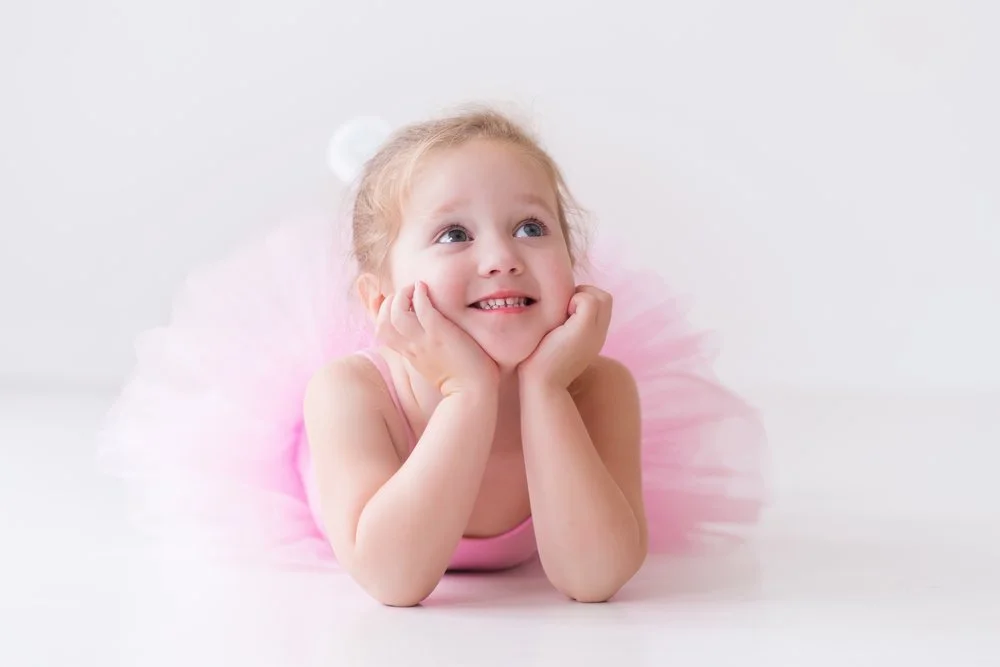
Dance Class Readiness Checklist for Toddlers
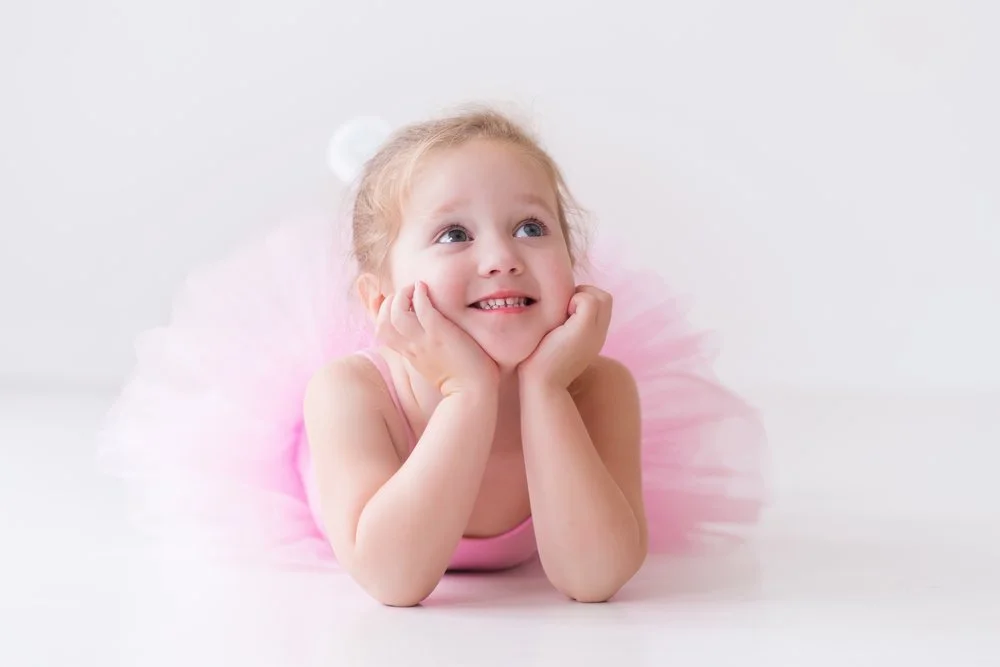
When it comes to early childhood development, dance classes can play an exciting role. Toddlers are naturally full of energy, eager to explore their environment, and are often drawn to music and movement. However, before jumping into the world of tiny tutus and rhythm games, it's essential for parents to assess their child's dance class readiness. The question many caregivers ask is, "Is my toddler ready for dance class?" The answer lies in evaluating a combination of emotional maturity, motor skills, communication abilities, and temperament.
Enrolling a child in a toddler dance class before they are developmentally prepared can result in frustration for both the child and the parent. While some children are ready at 18 months, others may benefit from waiting until age three. Readiness isn't based solely on age. The child’s ability to follow simple directions, comfort with separation from their caregiver, and enjoyment of music and movement are all important signs. As such, understanding toddler dance class age readiness helps guide caregivers to make informed decisions that promote a positive experience.
Key Developmental Milestones for Toddler Dance Class Age Readiness
Before choosing a class, parents should consider a few important developmental factors that influence toddler dance class age readiness. The first is gross motor skills. Dance requires a basic level of coordination and strength. A toddler should be able to walk independently, move up and down with some control, and have an emerging sense of rhythm. The ability to jump, tiptoe, and follow music cues is not expected to be perfect, but signs of these behaviors indicate readiness.
Another aspect is emotional and social development. A successful first dance class for toddlers relies on their ability to spend short periods away from their parents or caregivers without distress. Many dance studios allow for parent-and-me classes, which can be a helpful stepping stone, but independent participation is often the goal. Toddlers should show some ability to follow directions, share space with peers, and demonstrate curiosity rather than fear in group settings.
Language skills also play a subtle but important role. While verbal expression may still be developing, a child who can understand and respond to basic instructions will likely find the dance class environment more enjoyable. The goal is not verbal perfection but rather the ability to engage with a teacher and the group meaningfully. These markers give parents helpful guidance when evaluating whether preparing toddlers for dance class is the right step.
Emotional and Practical Indicators of Dance Class Readiness
Emotional readiness often outweighs technical ability at this stage. A child who is enthusiastic about music, imitates movement at home, and expresses a desire to participate is demonstrating key indicators that support their involvement in a toddler dance class. Parents might notice their toddler spontaneously twirling to music or clapping along with rhythm games. These self-initiated behaviors signal both interest and growing confidence.
It is also useful to observe how a toddler handles transitions. Dance class involves structure and shifting between activities. A child who handles changes in routine relatively well is likely to adapt better in a class environment. Additionally, being comfortable with trying new activities and being around unfamiliar children or adults can greatly influence whether the experience is positive.
From a practical standpoint, toilet training is not always required, but a toddler should be able to communicate their needs or be in a comfortable and familiar routine with diapering if needed. Being able to dress and undress with minimal help is a bonus, especially when changing shoes or putting on dance attire. Preparing toddlers for dance class includes making sure they have comfortable clothing that allows for movement and that they are used to wearing such outfits without discomfort or fuss.
Creating a Toddler Dance Class Checklist
To better organize the process, parents can mentally run through a toddler dance class checklist. It starts with selecting an appropriate class. Not all toddler dance programs are created equal. Look for classes specifically labeled for the toddler age group, ideally taught by instructors with experience in early childhood education. Class duration should be short, typically between 30 to 45 minutes, as toddlers have limited attention spans.
Next, consider the classroom environment. Is it safe and free from distractions? Are there visual cues and colorful materials that encourage participation? Does the studio allow for observation or occasional parental presence to ease the transition? Answers to these questions help assess if the setting supports your toddler's learning style and emotional needs.
Another vital part of the checklist involves reviewing expectations with your child ahead of time. Talk about what will happen in class in simple, encouraging language. Practice basic movements at home so the environment feels familiar. Arrive early on the first day to allow your toddler to observe the room and other children. This reduces anxiety and creates a sense of security.
Be sure to pack essentials like water, a change of clothes, and any specific dance shoes required. Preparing toddlers for dance class is easier when parents feel organized and equipped. Children often reflect the emotional tone of their caregivers, so staying calm and enthusiastic helps set the tone.
Making the Most of Your Toddler’s First Dance Class
That first day can be filled with excitement, curiosity, and possibly a few tears. It is completely normal for toddlers to need a few sessions to adjust to the class format. Patience is key. Some children dive right in, while others may observe from the sidelines before joining in. Both behaviors are valid, and many instructors are trained to gently encourage participation at the child's own pace.
Be encouraging without pressure. After class, talk positively about what they did, even if it was just sitting and watching. This builds comfort and sets the foundation for gradual involvement. Celebrate small victories, like waving at the teacher or participating in one movement. The goal of a first dance class for toddlers is exposure and enjoyment, not perfection.
Consistency also helps. Attending regularly and sticking with the class schedule gives your toddler time to become familiar with the structure and the people involved. Avoid comparing your child to others in the class. Every toddler has a unique temperament and timeline for comfort. The experience should focus on joyful movement, expression, and social development, not performance.
As parents, remaining open and observant will help guide next steps. If your toddler continues to struggle after several weeks, it might simply mean they need a bit more time. Taking a short break and trying again later is perfectly acceptable and can lead to better outcomes. Readiness is fluid and can change quickly with growth and exposure.
Conclusion
Determining dance class readiness for toddlers involves far more than checking off a specific age. While toddler dance class age readiness often centers around developmental stages, emotional preparedness, interest in movement, and the ability to engage in group settings are equally important. Parents asking themselves, "Is my toddler ready for dance class?" should look at the whole picture, including both enthusiasm and comfort with new experiences.
Using a thoughtful toddler dance class checklist, observing your child’s responses to structure and music, and preparing them with gentle exposure can create a strong foundation for success. Preparing toddlers for dance class takes time, patience, and a willingness to follow your child’s cues. When done with care, that first dance class for toddlers can be a joyful introduction to a lifetime of movement, creativity, and confidence.
Need Top-Rated Dance Classes Near You?
We would love to welcome your child into our fun and encouraging community, so reach out to us today to learn more about our Twinkle Babies, Twinkle Stars, and youth dance programs, and let us help your dancer build confidence, strength, and self-expression as they discover the joy of movement at a Twinkle Star Method studio near you.