
The Joy of Movement: Why Dance Is Essential for Children Ages 2–12
Dance offers age-appropriate benefits for children that build on each other year after year:
1. Physical Development
Dance improves coordination, strength, balance, and flexibility. Multiple classes per week reinforce muscle memory and support healthy posture and motor skills which is crucial for developing bodies.
2. Emotional Growth
Dance is a form of expression. It helps children process emotions, build confidence, and feel successful through positive reinforcement and goal-setting.
3. Cognitive Benefits
Children engaged in dance show improved focus, memory, and pattern recognition. Structured routines help develop discipline and the ability to follow complex instructions.
4. Social Skills
In group classes, children learn teamwork, listening skills, and how to support their peers helping foster empathy and collaboration from a young age.
Why More Dance Is Better
While one class per week is a great start, multiple classes offer exponential benefits:
Faster Skill Progression
Repetition builds mastery. With more time each week, students grow stronger technically and creatively.Cross-Training Opportunities
Taking different styles (ballet, tap, jazz, hip-hop, etc.) helps develop versatility, agility, and a deeper love for movement.Consistency Builds Confidence
More classes mean more opportunities to feel proud, prepared, and performance-ready. Kids feel the difference when they’re truly invested.Safe & Active Screen-Free Time
Regular dance classes provide a healthy alternative to screens and sedentary activities, especially during critical growth periods.
With a new dance season upon us, now’s the perfect time to encourage your dancers to take multiple classes per week. Consider offering a discount on the second class and/or scheduling complimentary classes back to back.
We're Thrilled to Announce Our 2025 Pinnacle Keynote Speaker: Jasmine BRETT STRINGER
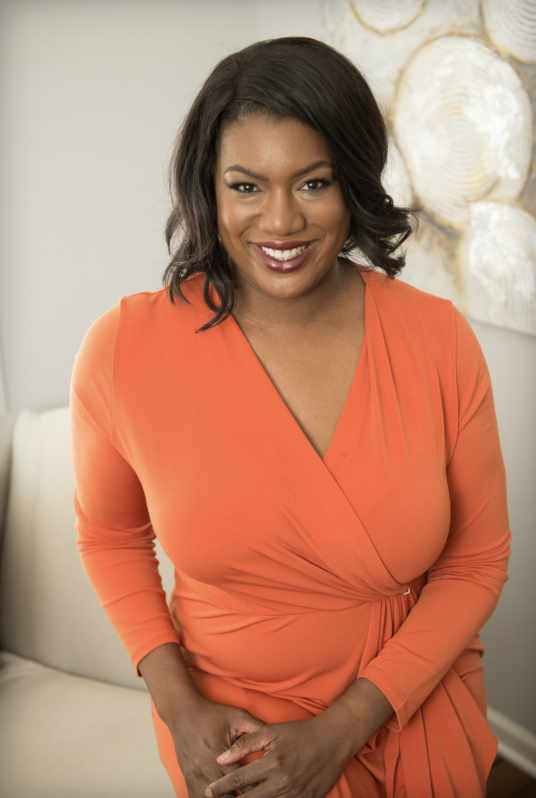
The countdown is on for the Pinnacle Dance Conference and Retreat, July 18–20, 2025 in vibrant New Orleans, Louisiana—and we have some exciting news to share!
We are absolutely honored to welcome Jasmine Brett Stringer as our 2025 Pinnacle Keynote Speaker!
If you're not already familiar with Jasmine, she is a powerhouse speaker, author, and lifestyle strategist who brings heart, humor, and wisdom to every room she enters. As the founder of Carpe Diem with Jasmine, she’s made it her life’s mission to inspire others to seize the day and live with intention. Her message is deeply relevant for dance educators and studio owners navigating the ever-evolving demands of the industry—and life.
“Carpe Diem isn’t just a phrase for Jasmine, it’s a way of life. Her empowering energy and practical insight will leave you feeling refreshed, focused, and ready to rise.”
— Tiffany Henderson, Twinkle Star Dance Founder
Whether you're a returning attendee or joining us for the first time, the 2025 Pinnacle experience promises to be our most impactful yet—with time to grow, learn, connect, and dance together in one of the most culturally rich cities in the country.
It’s not too late to join us!
Dates: July 18–20, 2025
Location: New Orleans, LA
Learn more and RSVP here »
We can’t wait to reconnect with all of you and experience the magic of Jasmine’s keynote together. See you at Pinnacle!
Dance and Child Well-Being: Why Your Role as an Educator Matters More Than Ever
As dance educators, we understand the transformative power of movement. Beyond technique, choreography, and performance, dance offers something deeper—an opportunity to support the holistic development of children. In a world where mental health challenges, physical inactivity, and social disconnection are increasingly common among young people, your role as a dance teacher is more vital than ever.
This post explores how dance positively impacts a child’s physical, emotional, social, and cognitive well-being—and how you, as an educator, can intentionally foster those benefits in the studio.
1. Physical Health: Building Strong, Resilient Bodies
Dance is one of the most effective ways to engage children in sustained physical activity. As an educator, you're helping students:
Develop strength, flexibility, and coordination promoting motor skills and muscle development through warm-ups, exercises, and choreography.
Improve posture and balance by strengthening core muscles and enhancing body awareness.
Establish lifelong habits of movement
2. Emotional and Mental Health: Creating a Safe Space for Expression
Your studio can be a sanctuary for students to express what they can't always verbalize. Dance helps children:
Regulate emotions through movement and rhythm
Build self-confidence as they master new skills
Experience joy and release through music and expression
3. Social Development: Fostering Connection and Empathy
Dance is inherently social. In your classes, you're shaping the way children interact with one another. Dance encourages:
Teamwork and collaboration in group choreography
Respect for personal space and others' ideas
Cultural appreciation through exposure to diverse movement forms
4. Cognitive Growth: Boosting Brain Power Through Movement
Dance is deeply cognitive. Memorizing sequences, responding to cues, and navigating space all activate the brain. Dance supports:
Memory, focus, and spatial awareness
Creative problem-solving and adaptability
Academic performance through increased discipline and executive functioning
Why This Matters Now More Than Ever
Children today face pressures and distractions previous generations never imagined. Your dance class might be the one place where they feel seen, empowered, and free. You’re not just teaching dance movements—you’re helping shape confident, compassionate, and resilient individuals.
Your Influence as a Dance Educator Is Transformative
As a dance educator, you're uniquely positioned to nurture the whole child. Every class you teach is an opportunity to support not only their growth as dancers but their development as thriving human beings. In fostering movement, you foster well-being. In guiding expression, you guide healing. And in building technique, you build confidence that reaches far beyond the studio.
Action Step for Educators:
Reflect on your teaching practice this week—where can you incorporate more opportunities for emotional expression, social connection, or cognitive challenge? Even small changes can make a lasting impact.
Learn more about the benefits of dance for children at Tiffany Henderson’s Pinnacle Dance Conference and Retreat July 18-20, 2025 at the Omni Royal Orleans in New Orleans, LA. Immerse yourself in three days of dance movement classes, business seminars from leaders in the industry, plus preview the all new Dance Positive courses within a like-minded community of dance educators.
Incorporating Positive Psychology into Dance Education: Empowering Students On and Off the Floor
As dance educators, we do more than teach pliés, pirouettes, and performance. We shape mindsets, build character, and help young people discover their strength and resilience. That’s where the field of positive psychology—the scientific study of what makes life most worth living—can powerfully elevate our work in the studio.
By integrating positive psychology principles into our teaching, we create an environment that not only develops great dancers but also nurtures empowered, confident, and emotionally intelligent individuals.
What Is Positive Psychology, and Why Does It Matter in Dance?
Unlike traditional psychology, which often focuses on what’s "wrong" with people, positive psychology centers on strengths, values, and what helps people thrive. For dancers—especially children and teens navigating high-pressure environments—this shift in focus can be transformative.
Key elements of positive psychology that resonate deeply with dance include:
Growth Mindset: Encouraging students to see challenges as opportunities for growth, not failure.
Flow State: Helping dancers find joy and deep engagement in the act of dancing.
Gratitude and Optimism: Fostering a culture of appreciation, both for personal progress and peer support.
Strength-Based Feedback: Highlighting what students do well and building on those qualities.
Resilience: Teaching students how to bounce back from disappointment—whether it’s a missed step or a tough critique.
Practical Strategies for the Studio
Here are a few simple ways dance educators can begin to weave positive psychology into their classes:
Start with Wins
Open class with a “win circle” where dancers share something positive from their day or week. This sets an uplifting tone and helps build community.Celebrate Effort, Not Just Outcome
Acknowledge determination, risk-taking, and improvement, not just perfect execution. This promotes a growth mindset and helps dancers stay motivated.Incorporate Visualization and Affirmations
Guide students through positive visualization before performances or challenges, and encourage personal affirmations like “I am strong,” “I am prepared,” or “I am growing.”Build Resilience through Reflection
After setbacks, invite dancers to reflect: What did you learn? What will you try differently next time? This helps normalize struggle as part of the process.Create a Culture of Gratitude
End class with gratitude journaling or partner thank-yous—small but powerful practices that boost well-being and connection.
Learn More from a Leader in the Field
Want to dive deeper into how positive psychology can revolutionize your approach to teaching dance? Join Tiffany Henderson—dance studio owner, educator, and graduate of the Master of Applied Positive Psychology (MAPP) program—at the upcoming Pinnacle Dance Conference and Retreat, July 18–20 at the Omni Royal Orleans in New Orleans.
Tiffany will be sharing insights and practical tools from her unique blend of experience in both dance education and psychological science. This is your chance to learn from a leader who understands both the art and the heart of teaching dance.
Don’t miss this opportunity to grow as an educator, connect with like-minded professionals, and bring a fresh, empowering perspective to your studio.
Register now for the Pinnacle Dance Conference and Retreat and take the next step in your journey as a teacher, leader, and mentor.
Meet the Speakers: Fuel Your Growth, Lead with Impact
Get Inspired. Get Equipped. Grow Your Studio.
We’re thrilled to introduce three powerhouse speakers who are ready to elevate your mindset, your marketing, and your team. These dynamic sessions are designed to empower you with practical strategies and fresh inspiration—so you can thrive as both a dance educator and business leader.
✨ Beth Easter Bradley – Building a Team While Growing Your Business
As your studio grows, so must your team. Beth shares actionable insights for hiring, training, and leading a motivated, high-performing staff that aligns with your studio’s culture and vision—whether you're onboarding assistants or launching a new location.
→ Build a team that grows with you.
✨ Jennifer Randall – Marketing AI and Automation
Discover how artificial intelligence is reshaping modern marketing. Jennifer will guide you through how to streamline your workflows, personalize customer experiences, and maximize your campaign effectiveness—whether you're just getting started with AI or ready to refine your strategy.
→ Learn how to market smarter, not harder.
✨ Karen Andujar – Well-Being for Dance Educators
With experience in the CIA and a master’s in Applied Positive Psychology, Karen brings a one-of-a-kind perspective to educator wellness. Learn how to manage stress, prevent burnout, and cultivate daily joy—so you can lead with strength, clarity, and purpose.
→ Thrive in the studio and beyond.
Reserve your spot today and get ready to lead, grow, and flourish.