
How Should a Preschool Dance Class Be Structured?
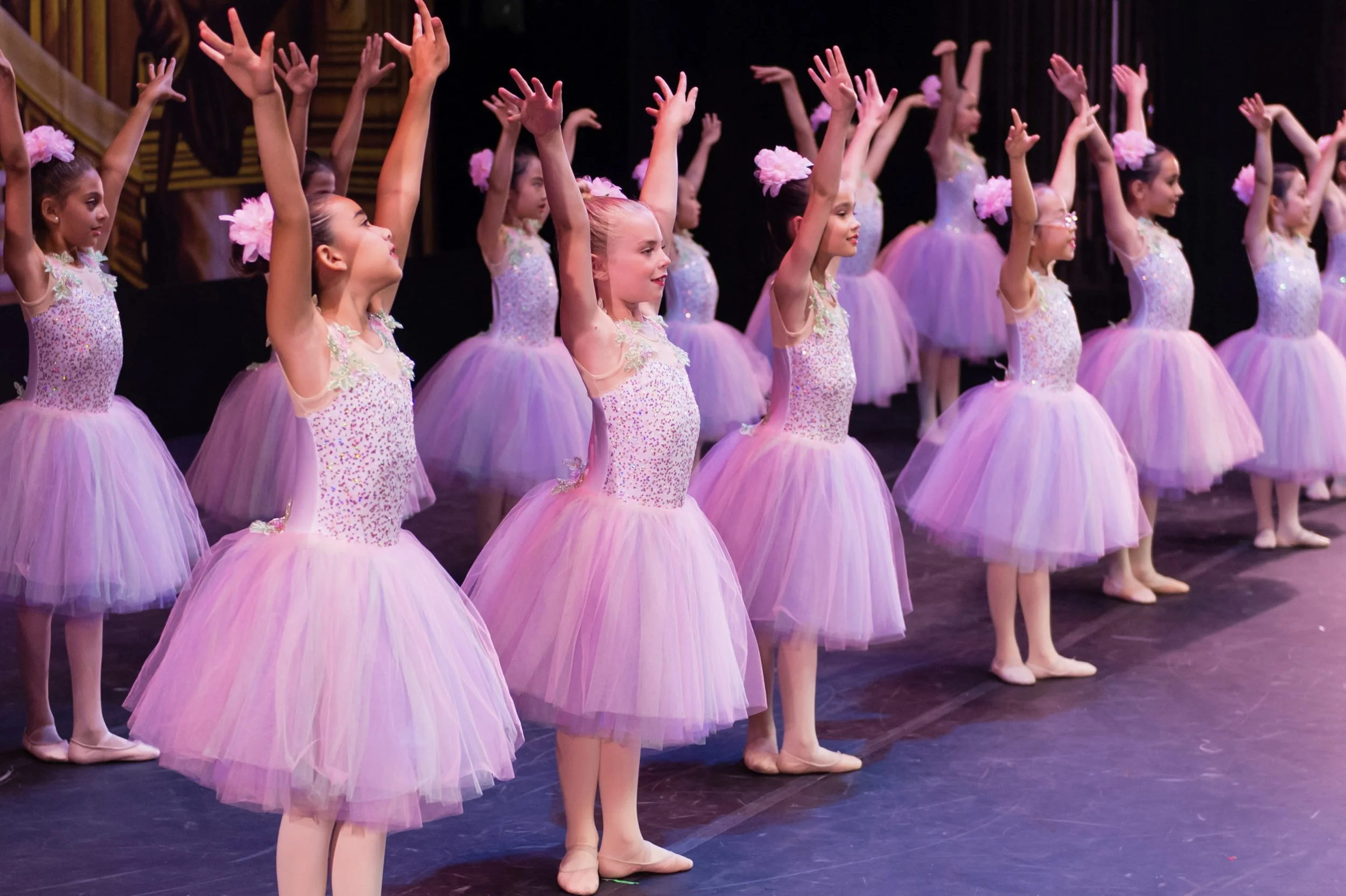
A strong dance class structure for preschoolers helps teachers create a fun, predictable, and developmentally appropriate experience that keeps young dancers moving, learning, and smiling from the first minute to the last. Preschool-aged children thrive when they know what to expect, but they also need enough variety to stay interested. The best classes combine routine, imagination, movement exploration, and skill-building in a way that feels playful while still supporting real progress. When a preschool dance class is thoughtfully structured, it becomes easier to manage behavior, improve participation, and build confidence in every child.
Dance Class Structure for Preschoolers Explained
Preschool dancers are not mini versions of older students. They learn differently, process instructions differently, and respond best to short, engaging activities that shift often enough to match their attention span. That is why class structure matters so much. A successful preschool dance class should feel organized without feeling rigid. It should move with purpose, but it should also leave room for joy, creativity, and repetition.
At this age, children are developing coordination, balance, listening skills, body awareness, and confidence in group settings. They benefit from a class that follows a familiar pattern each week. Predictability helps them settle in, feel safe, and transition more smoothly from one activity to the next. At the same time, each section of class should be brief and active enough to maintain focus. Many studios achieve this consistency by following a proven preschool dance curriculum designed specifically for early childhood development.
Why dance class structure for preschoolers matters
The structure of a preschool dance class does more than keep the lesson on track. It directly impacts how much children learn and how much they enjoy the experience. Young dancers often do better when classes follow a rhythm they can recognize. For example, beginning with a welcome routine, moving into a warm-up, practicing across-the-floor movement, and ending with a closing activity gives children a clear sense of progression.
A well-planned structure supports:
- Better attention and participation
- Smoother transitions between activities
- Fewer behavior issues
- Stronger skill retention through repetition
- More confidence in shy or hesitant dancers
- A positive classroom environment for students and teachers
Without structure, preschool classes can feel chaotic. Children may lose interest, become distracted, or struggle to follow directions. With the right flow, however, even very young students can stay engaged and make meaningful progress. Programs that use a defined class structure and outcomes system tend to deliver more consistent results across instructors and locations.
A typical preschool dance class often works best when it includes several short segments rather than one long instructional block. Each segment should have a purpose, whether it is warming up the body, introducing a concept, practicing a skill, or using creative movement to reinforce learning.
How long should each part of a preschool dance class last?
The answer depends somewhat on the age range and total class length, but in general, preschool dance classes work best when activities are broken into small, manageable chunks. Many preschool classes run between 30 and 45 minutes. In that timeframe, each section should move quickly enough to maintain interest while still giving children enough repetition to understand what they are doing.
Here is an example of how a 40-minute preschool dance class might be structured:
- Welcome and circle time: 3 to 5 minutes
- Warm-up: 5 to 7 minutes
- Skill-building or center work: 5 to 7 minutes
- Across-the-floor movement: 5 to 8 minutes
- Creative movement or game-based learning: 5 to 7 minutes
- Routine or choreography practice: 5 to 8 minutes
- Cool-down and closing: 2 to 3 minutes
This pacing works because it reflects how preschool children naturally engage. They often need a new focus every few minutes, but they also need repetition built into the overall class experience. The key is not to rush, but to keep things flowing.
Transitions are especially important here. If a teacher takes too long to explain what comes next, energy drops and distractions rise. Clear cues, musical changes, props, and repeated routines can help children move smoothly from one part of class to another.
Key Elements of an Effective Preschool Dance Class
A preschool dance class should not simply be a shortened version of an older beginner class. It should be designed with early childhood development in mind. That means movement should be age-appropriate, directions should be clear and simple, and expectations should match what preschool children can realistically do.
The most effective preschool dance classes usually include several core elements.
First, there should be a consistent opening routine. This might include sitting in a circle, singing a hello song, reviewing classroom rules, or introducing the theme of the day. This opening helps children shift into class mode and gives the teacher a chance to establish focus.
Second, the warm-up should be active and engaging. Preschoolers do not need a highly technical warm-up, but they do need to begin moving with intention. Simple stretches, marching, clapping patterns, skipping, and basic locomotor movement can help get their bodies ready.
Third, skill work should be introduced in ways that feel playful. Instead of lengthy verbal explanations, teachers can use imagery and storytelling. Many programs incorporate a creative movement approach to make these concepts easier for young dancers to understand and retain.
Fourth, classes should include movement across the floor. Preschool dancers usually love traveling through space. Galloping, skipping, marching, leaping, and simple turns can all be introduced in this section. Across-the-floor activities also give children a chance to practice taking turns and following pathways.
Fifth, creative movement should have a place in class. This part allows children to explore rhythm, expression, and imagination. It can be as simple as asking them to move like different animals, respond to changes in the music, or freeze in shapes.
Finally, there should be a clear ending. A brief cool-down, sticker moment, goodbye song, or positive recap helps class end on a calm and successful note.
Balancing fun and learning in preschool dance classes
One of the biggest misconceptions about preschool dance is that it should be all fun or all discipline. In reality, the best classes balance both. Preschoolers absolutely need fun. They also need clear goals, boundaries, and progressive learning experiences.
Fun does not mean unstructured. It means using age-appropriate teaching methods that make learning feel exciting. Children can absolutely learn ballet basics, musicality, spatial awareness, and class etiquette, but those skills should be introduced in ways that match their stage of development. Programs built around ages 2–5 dance programs tend to produce better long-term results because they align with how young children learn.
A good balance often looks like this:
- Teaching technique through imaginative prompts
- Repeating class routines so children feel secure
- Using music and props strategically, not constantly
- Alternating high-energy moments with quieter focus tasks
- Reinforcing listening skills in positive ways
- Celebrating effort, not just perfect execution
When teachers focus only on entertainment, students may enjoy class in the moment but fail to build foundational skills. When teachers focus only on correction and control, children may become frustrated or disengaged. The sweet spot is a class that feels joyful and organized at the same time.
Designing Preschool Dance Classes That Keep Kids Engaged
Keeping preschoolers engaged starts long before the music begins. Engagement comes from thoughtful planning, realistic expectations, and an understanding of how young children respond to movement and instruction.
An engaging preschool class often includes variety, but not randomness. Children should experience a sequence of activities that feels familiar, with enough small changes to maintain excitement. Themes can help with this. For example, a teacher might use a seasonal theme, an animal theme, or a magical adventure theme to connect activities throughout class. This gives preschoolers a narrative to follow and makes transitions feel more natural.
Pacing is another major factor. If one segment runs too long, children can become restless. If everything changes too quickly, they may feel overwhelmed. The right pacing gives enough time to participate successfully while still moving on before interest fades.
Teachers can improve engagement by focusing on these strategies:
- Use consistent cues such as the same welcome song, transition phrase, or closing routine each week
- Keep instructions short and demonstrate whenever possible
- Alternate energy levels so the class does not become too wild or too sluggish
- Use props with purpose, such as scarves, spots, hoops, or rhythm sticks, to reinforce movement concepts
- Build in success with activities that are achievable and confidence-boosting
- Repeat favorite exercises while gradually increasing challenge
- Encourage participation rather than perfection
Transitions deserve special attention because they often determine whether a class feels smooth or scattered. Preschoolers can lose focus quickly during downtime, so transitions should be practiced just like movement skills. Teachers can move students from one activity to the next by using music changes, visual markers on the floor, hand motions, or simple call-and-response phrases.
For example, if children know that sitting on their color spot means circle time is beginning, the transition becomes easier. If they hear a certain musical cue and know it means line up for across the floor, less explanation is needed. Over time, these routines become part of the classroom culture.
It also helps to remember that engagement does not always look the same in every child. Some preschoolers participate loudly and enthusiastically. Others watch quietly before joining in. A well-structured class creates room for both personalities while keeping the group moving together.
Another essential piece of engagement is emotional safety. Preschool dancers need to feel encouraged, not pressured. Praise should be specific and genuine. Teachers can say things like, “I love how you pointed your toes,” or “You did a great job waiting for your turn.” This kind of positive reinforcement helps children understand expectations while building confidence.
When planning class flow, it is also helpful to think in terms of beginning, middle, and end:
Beginning
Arrival routine
Welcome song or greeting
Review of simple class expectations
Warm-up movement
Middle
Skill-building
Traveling steps
Creative movement
Rhythm work
Short choreography or guided combinations
End
Calm closing activity
Review of what was learned
Positive encouragement
Goodbye routine
This type of structure helps classes feel complete and purposeful. Parents notice the difference, too. When children come out of class excited, confident, and eager to return, it reflects a program that is built on strong teaching methods.
FAQ
What is the ideal length for a preschool dance class?
Most preschool dance classes work best at 30 to 45 minutes. This gives enough time for warm-up, skill-building, movement exploration, and a closing activity without overwhelming young students.
How many activities should be included in one class?
A preschool class usually benefits from 5 to 7 short segments. This helps maintain attention and creates a natural flow from one activity to the next.
Should preschool dance classes be the same every week?
The overall structure should stay consistent, but the content can vary. Familiar routines help children feel secure, while new songs, themes, and exercises keep classes fresh and engaging.
How can teachers improve transitions in preschool dance?
Teachers can use music cues, visual floor markers, repeated phrases, and predictable routines to move children smoothly between activities. Keeping transitions short and active is key.
What skills should preschool dancers focus on?
Preschool dancers should focus on coordination, balance, rhythm, listening, spatial awareness, classroom behavior, and basic movement patterns. Technical training should be introduced in simple, age-appropriate ways.
Is choreography important in preschool dance class?
Yes, but it should be simple and manageable. Short routines help children practice memory, musicality, and sequencing without creating frustration.
How do you keep preschoolers engaged during dance class?
Use a clear structure, brief activities, playful imagery, positive reinforcement, and a balance of movement, creativity, and repetition. The class should feel fun while still being purposeful.
Ready to Build a Stronger Preschool Dance Program?
If you want a preschool program that is structured, engaging, and easy to implement, Twinkle Star Dance offers a complete preschool dance curriculum with choreography that is turnkey and proven in 300+ studios worldwide. It is ready to plug and play, helping studio owners create classes that keep young dancers engaged while supporting the long-term success of their programs. You can also explore strategies to grow your dance studio and increase enrollment. Start growing your studio today with Twinkle Star Dance.
