
Groundbreaking Stanford-Linked Research Supports Twinkle Star Dance’s Science-Backed Curriculum
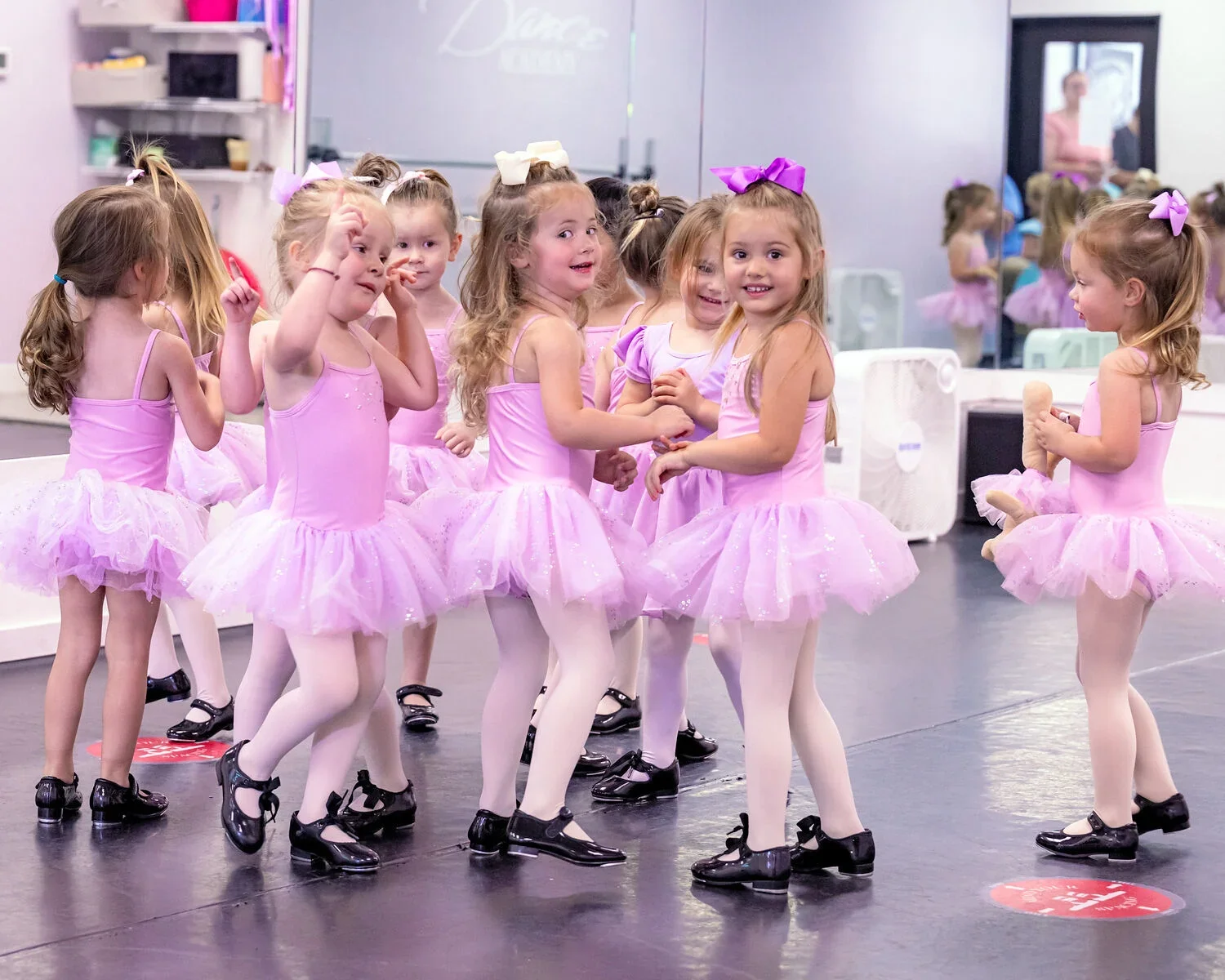
I’m excited to share some inspiring news that shines a spotlight on the power of dance in early childhood learning and reinforces what we’ve always known at Twinkle Star Dance.
An upcoming Stanford-linked study on early childhood learning highlights the meaningful role that structured movement and rhythm activities can play in young children’s cognitive and developmental growth. This research adds to a growing body of evidence showing how dance supports skills like coordination, executive functioning, and social engagement in early learners.
Read the full story here:
https://www.independentnews.com/news/livermore_news/dance-studio-stanford-study-early-childhood-learning/article_d0ac9acf-a6a2-4f42-8cd0-378ff030176e.html
What makes this especially exciting is that Twinkle Star Dance stands as the first and only dance curriculum formally backed by this kind of scientific research connection. Through partnerships with leading institutions like Stanford and the University of Pennsylvania, we’ve built our curriculum not just on artistry and joy, but on science, intentional design, and measurable findings about how movement enhances young brains.
Our Twinkle Star Dance method teaches more than steps — it harnesses the science of learning through movement to help children develop confidence, focus, coordination, social skills, and a love for lifelong learning.
Thank you for being part of a community where creativity and research go hand in hand to give each child the best start possible.
Dance Teachers Are Essential: The Power of Dance in Whole-Child Development

As dance educators, you are doing far more than teaching steps and routines. You are shaping brains, hearts, and bodies in ways that last a lifetime. Dance is a uniquely powerful tool for growth because it integrates movement, music, and social connection, making it a multi-sensory positive experience. Here’s how your role as a teacher fuels development across every dimension of a child’s life.
Brain Development and Dance: A Multi-Sensory Brain Boost
Every time your students dance, they are strengthening their brains.
Neural Connections: Dance links movement, rhythm, and memory, creating strong neural pathways that support lifelong learning.
Executive Function & Creativity: From following choreography to improvising, students sharpen planning, flexibility, and creative problem-solving.
Theory of Mind: Performing and working in groups helps dancers understand perspectives outside their own building empathy through movement.
Dance isn’t just art, it’s cognitive training at its finest.
Character Development and Dance: A Shared Social Experience
The studio is a safe and vibrant space where children build essential character strengths:
Perseverance: Every plié, pirouette, or leap is practice in trying again and again until mastery comes.
Bravery: Stepping into the classroom, performing, or learning something new all require courage.
Self-Regulation: Dance teaches listening, patience, and focus all key life skills.
Kindness: From taking turns to encouraging peers, dancers learn cooperation and respect.
Your guidance nurtures not just skilled movers, but strong and compassionate human beings.
Physical Development and Dance: Building Strong Bodies
Dance uniquely supports whole-body development, giving children confidence in their physical abilities.
Flexibility & Balance: Core elements of every class improve posture and agility.
Muscle Development: Repetition builds strength while keeping movement fun and engaging.
Body & Spatial Awareness: Dancers learn to move with control and confidence in any environment.
These skills support not only dance but also play and everyday movement.
Why Dance Teachers Are Essential
As a dance teacher, you are so much more than an instructor of steps. You are a brain builder, a character coach, a fitness leader, and a mentor. Each time you lead a class, you’re giving children an experience that supports their cognitive, emotional, and physical growth while sparking joy through the art of dance.
Never underestimate your impact. You are essential.
Why Continuing Education and Teacher Training Are Essential for Dance Studios and Educators
In the fast-paced and ever-evolving world of dance, staying current isn’t a luxury—it’s a necessity. For studio owners and dance educators, the commitment to ongoing education and teacher training is not just about refining technique. It's a powerful investment in the overall health and growth of your studio, your team, and your dancers.
Here’s why continuing education should be a core pillar of your studio’s culture—and how everyone benefits.
1. Elevating the Teacher: Confidence, Credibility, and Creativity
Great teachers never stop learning. Whether it's mastering new styles, understanding child development, or staying current with injury prevention practices, continuing education keeps instructors sharp and inspired.
Benefits for the teacher:
Increased Confidence: With updated knowledge and tools, instructors feel more equipped to handle a wide range of student needs and classroom situations.
Professional Credibility: Teachers who pursue certifications and attend workshops stand out as committed professionals, earning trust from students and parents alike.
Renewed Creativity: Exposure to fresh techniques, music, and teaching methods reinvigorates lesson planning and choreography, helping prevent burnout.
2. Strengthening the Studio: Reputation, Retention, and Revenue
For studio owners, investing in teacher development sends a clear message: this is a place where mastery matters. It’s a smart strategy for building a strong, sustainable business.
Benefits for the studio:
Enhanced Reputation: Studios known for highly trained, passionate instructors attract and retain more families.
Staff Retention: Offering professional development shows your team that you value their growth, fostering loyalty and reducing turnover.
Financial Growth: Better-trained teachers create more engaging classes, leading to higher student retention, increased enrollment, and greater word-of-mouth referrals.
3. Empowering the Dancer: Technique, Safety, and Inspiration
At the heart of every studio is the student. When teachers are well-trained and up-to-date, students benefit in every way—on and off the dance floor.
Benefits for dancers:
Stronger Technique: Teachers with current training can better identify and correct weaknesses, leading to more technically sound dancers.
Injury Prevention: Understanding anatomy, proper alignment, and safe progression is critical to keeping dancers healthy and in class.
Deeper Motivation: Students thrive when taught by passionate, knowledgeable instructors who challenge and inspire them.
Creating a Culture of Growth
Making professional development a priority doesn’t have to be overwhelming. Here are a few simple ways to start:
Offer stipends or reimbursements for workshops and certifications.
Host in-studio training sessions or bring in guest educators.
Encourage staff to attend conferences like Pinnacle Dance Conference and Retreat.
Subscribe to reputable dance education platforms and journals.
Set annual goals for team-wide training and personal development.
Dance and Child Well-Being: Why Your Role as an Educator Matters More Than Ever
As dance educators, we understand the transformative power of movement. Beyond technique, choreography, and performance, dance offers something deeper—an opportunity to support the holistic development of children. In a world where mental health challenges, physical inactivity, and social disconnection are increasingly common among young people, your role as a dance teacher is more vital than ever.
This post explores how dance positively impacts a child’s physical, emotional, social, and cognitive well-being—and how you, as an educator, can intentionally foster those benefits in the studio.
1. Physical Health: Building Strong, Resilient Bodies
Dance is one of the most effective ways to engage children in sustained physical activity. As an educator, you're helping students:
Develop strength, flexibility, and coordination promoting motor skills and muscle development through warm-ups, exercises, and choreography.
Improve posture and balance by strengthening core muscles and enhancing body awareness.
Establish lifelong habits of movement
2. Emotional and Mental Health: Creating a Safe Space for Expression
Your studio can be a sanctuary for students to express what they can't always verbalize. Dance helps children:
Regulate emotions through movement and rhythm
Build self-confidence as they master new skills
Experience joy and release through music and expression
3. Social Development: Fostering Connection and Empathy
Dance is inherently social. In your classes, you're shaping the way children interact with one another. Dance encourages:
Teamwork and collaboration in group choreography
Respect for personal space and others' ideas
Cultural appreciation through exposure to diverse movement forms
4. Cognitive Growth: Boosting Brain Power Through Movement
Dance is deeply cognitive. Memorizing sequences, responding to cues, and navigating space all activate the brain. Dance supports:
Memory, focus, and spatial awareness
Creative problem-solving and adaptability
Academic performance through increased discipline and executive functioning
Why This Matters Now More Than Ever
Children today face pressures and distractions previous generations never imagined. Your dance class might be the one place where they feel seen, empowered, and free. You’re not just teaching dance movements—you’re helping shape confident, compassionate, and resilient individuals.
Your Influence as a Dance Educator Is Transformative
As a dance educator, you're uniquely positioned to nurture the whole child. Every class you teach is an opportunity to support not only their growth as dancers but their development as thriving human beings. In fostering movement, you foster well-being. In guiding expression, you guide healing. And in building technique, you build confidence that reaches far beyond the studio.
Action Step for Educators:
Reflect on your teaching practice this week—where can you incorporate more opportunities for emotional expression, social connection, or cognitive challenge? Even small changes can make a lasting impact.
Learn more about the benefits of dance for children at Tiffany Henderson’s Pinnacle Dance Conference and Retreat July 18-20, 2025 at the Omni Royal Orleans in New Orleans, LA. Immerse yourself in three days of dance movement classes, business seminars from leaders in the industry, plus preview the all new Dance Positive courses within a like-minded community of dance educators.